

Pivot Windows vs. Pivot Doors: What's the Difference
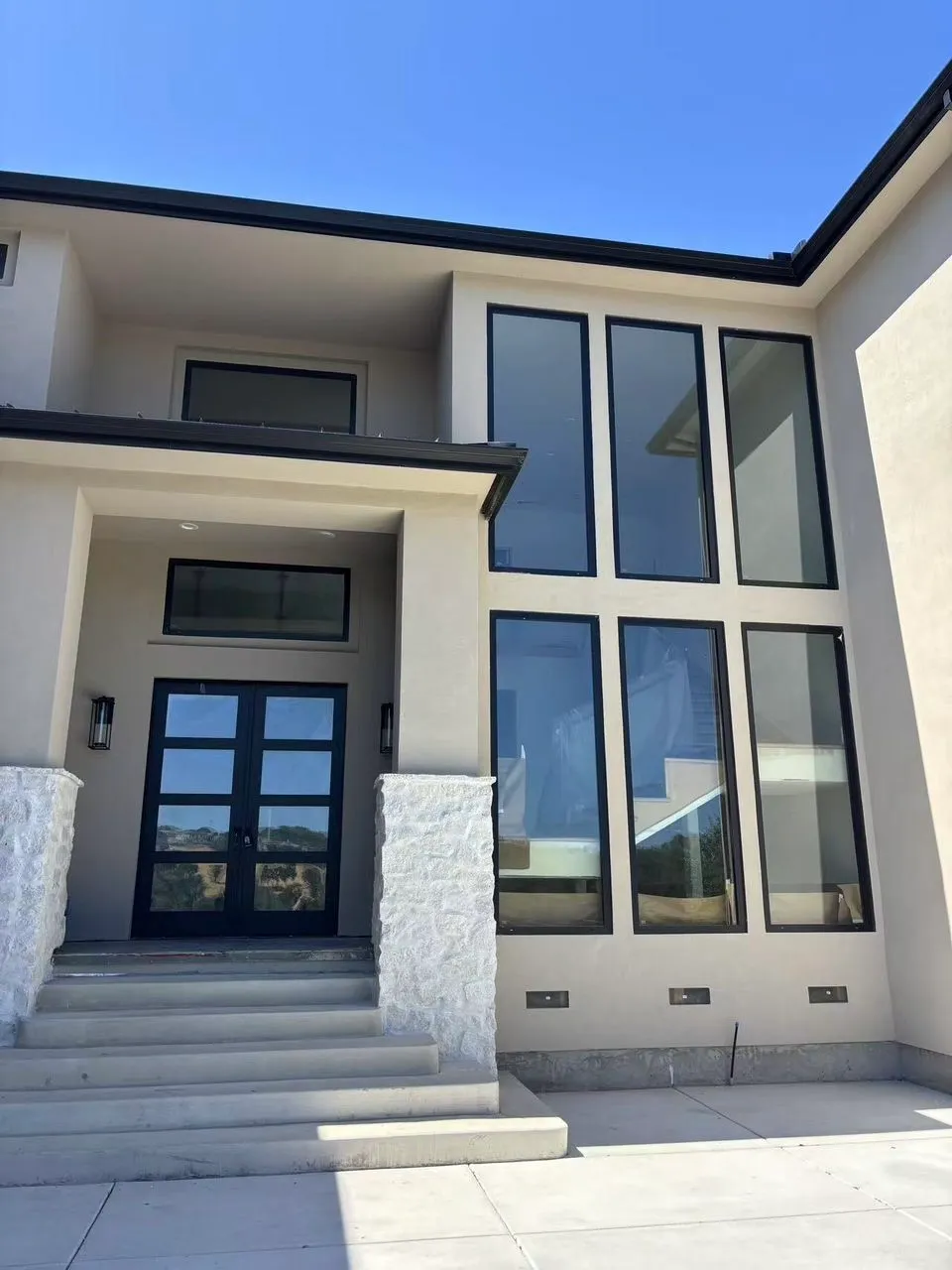
Pivot hardware — a sash or door that rotates open around a fixed vertical or horizontal axis point, rather than swinging on side hinges — shows up in two very different products, and it’s easy to search for one and land on information about the other.
Pivot windows
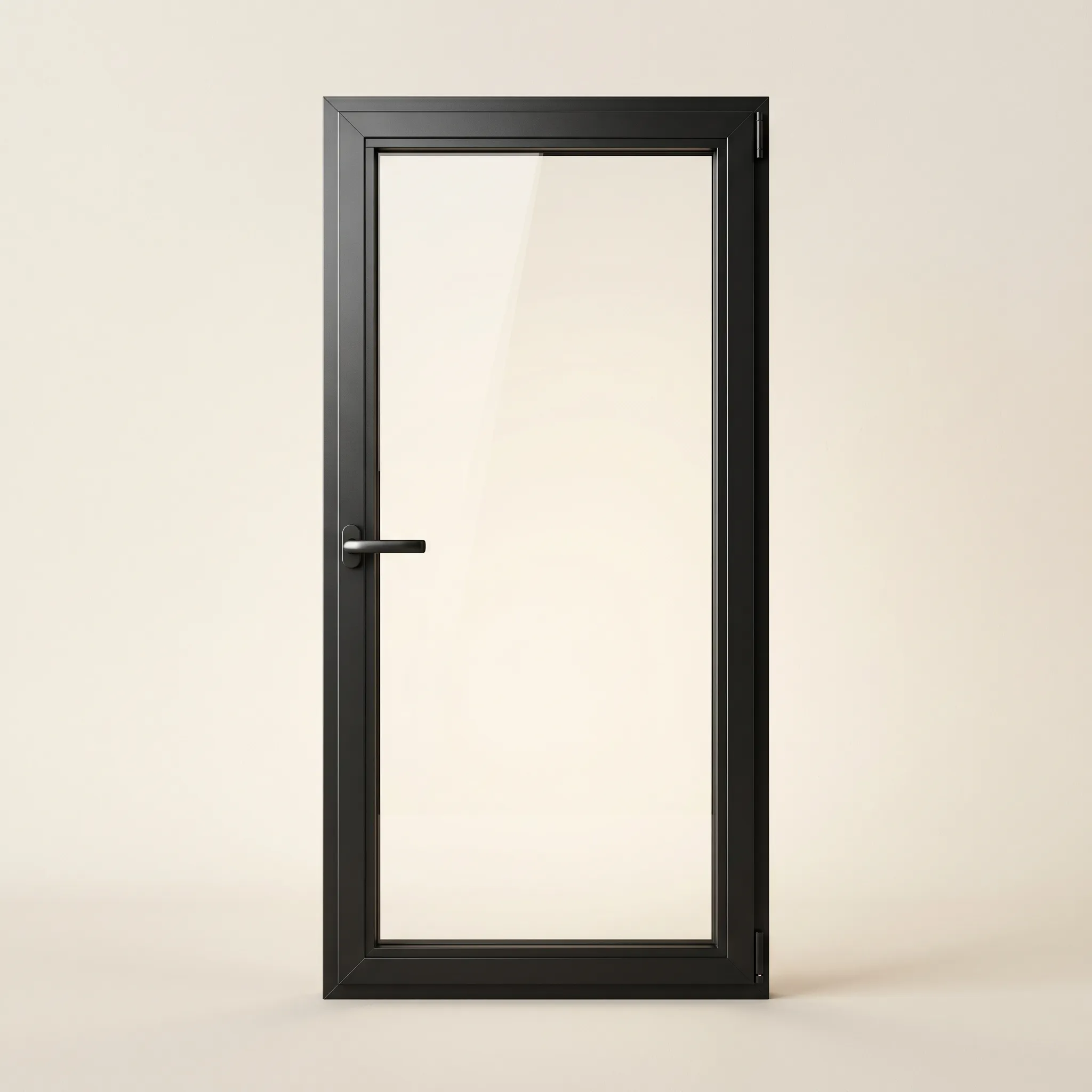
A pivot window rotates around a central axis, typically vertical, so one half of the sash swings out while the other half swings in as it opens. It’s most often used for smaller or hard-to-reach openings — high clerestory windows, for instance — where the pivot action gives you full-sash access to clean both sides of the glass without a large swing radius on either side of the wall.
Pivot doors
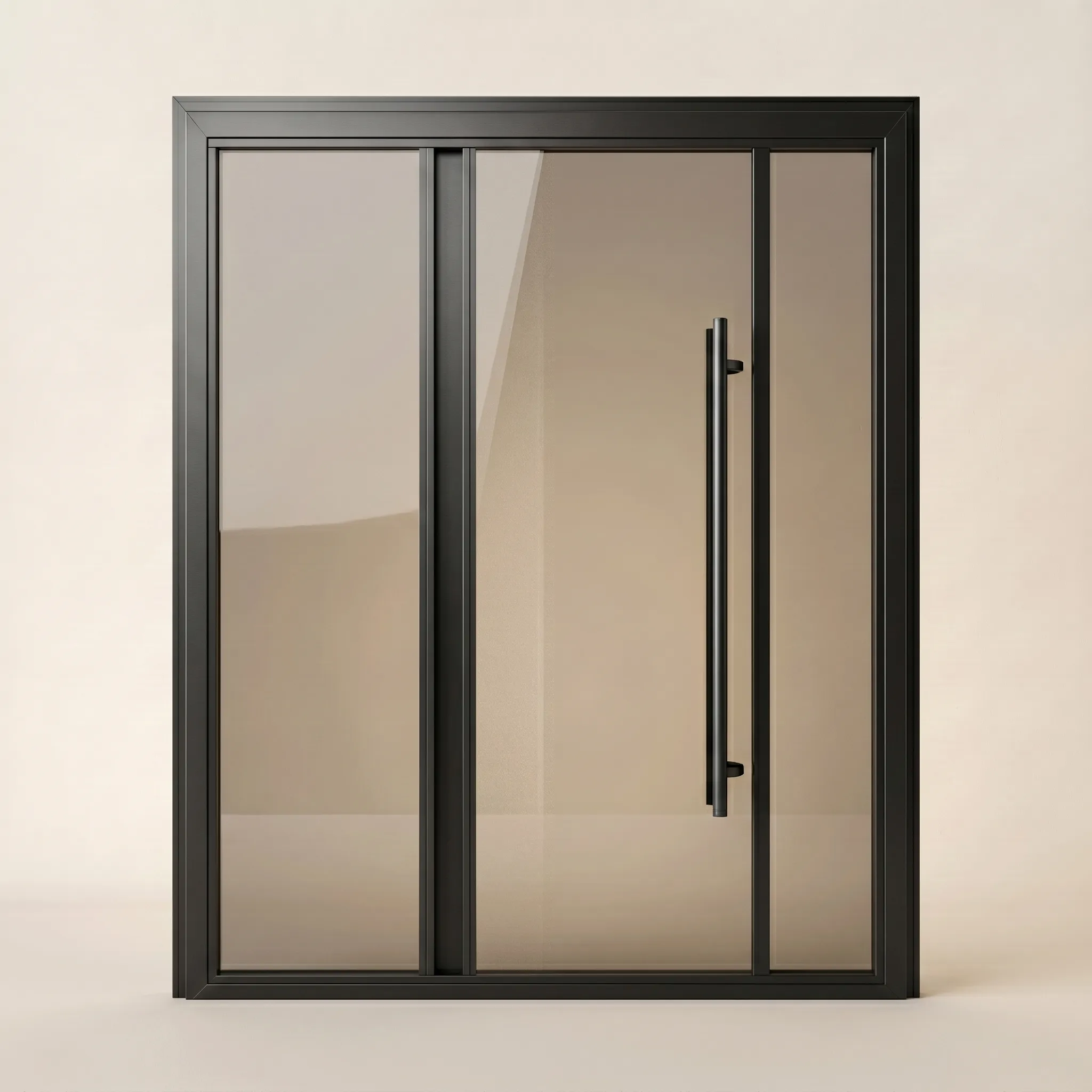
A pivot door is a different scale of product entirely: a full entry or statement door, often oversized, that rotates on a floor- or head-mounted pivot point set inward from the edge rather than hinging at the side. That off-center pivot point is what gives pivot doors their distinctive, weighty swing and lets them handle door sizes and weights that side hinges can’t support well.
Which one you’re looking for
If you’re picturing a large, architectural entry door with a dramatic swing, you want a pivot door. If you’re picturing a smaller operable window with a rotating sash, you’re describing pivot window hardware, which is a less common configuration than tilt-and-turn or casement for typical residential openings.
What Bellevue builds
Bellevue’s pivot line is a statement entry door, built to your opening in aluminum, aluminum-clad wood, or timber, with the same European hardware and high-performance glazing included as standard across our line. For a window with comparable inward-opening flexibility, our tilt-and-turn format is the closer match. Request a quote to talk through which fits your opening.
What is the difference between a pivot window and a pivot door?
Both rotate about a pivot point set away from the edge rather than swinging on edge-mounted hinges, but the scale and purpose differ. A pivot window rotates to ventilate and to bring the exterior glass within reach; a pivot door is an architectural entrance element, usually large and heavy, rotating on a floor-and-head pivot set.
Are pivot doors practical?
For the right opening, yes. They allow a much larger and heavier leaf than conventional hinges can carry, which is the point. They need a properly engineered pivot set, a floor detail that can take the load, and clearance on both sides of the pivot axis.
Do pivot doors seal well?
They can, but sealing a pivot door is genuinely harder than sealing a conventional one, because the leaf rotates about an interior axis and the gap geometry changes across the width. It is worth confirming the seal design specifically rather than assuming it.