

Casement vs Awning vs Sliding
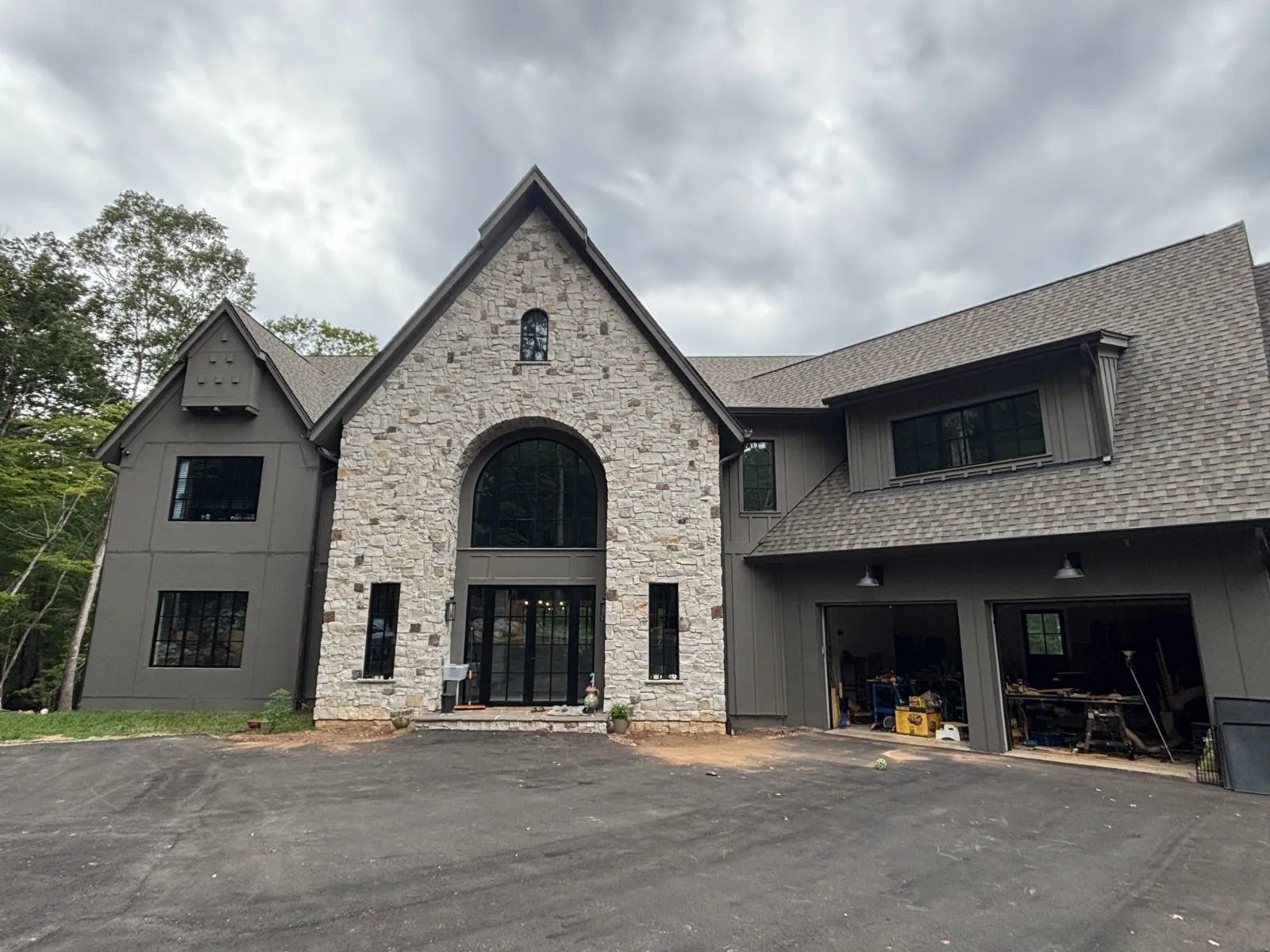
Once you’ve decided a window needs to open, the next question is how. Casement, awning, and sliding are three of the most common operable styles, and each opens in a different way that suits different rooms, climates, and looks. Choosing well is mostly about matching the way a window moves to what the space actually needs.
The quick comparison
- Casement — hinged at the side, swings outward like a door. Best ventilation and views; excellent seal.
- Awning — hinged at the top, opens outward from the bottom. Sheds rain; great for ventilation in wet weather.
- Sliding — sashes glide horizontally. Clean sightlines; nothing projects into or out of the space.
Casement
A casement window swings open on side hinges, usually operated by a crank. Because the entire sash opens, it delivers the fullest ventilation of the three and an unobstructed view when closed. When shut, the sash presses against a perimeter seal, which makes casements one of the most weather-tight operable styles available.
The tradeoffs: the sash projects outward when open, so it isn’t ideal directly over a walkway or a tight exterior space, and very large casements get heavy. Casements shine in living spaces, bedrooms, and anywhere you want maximum airflow and a clean view. They’re also a natural fit for modern architecture.
Awning
An awning window is hinged at the top and pushes outward from the bottom, forming a small “awning” of glass. That geometry is its superpower: because the open sash slopes away from the opening, rain runs off rather than in, so you can keep an awning window open during a shower. That makes them excellent for ventilation in wet climates, and for bathrooms, kitchens, and spots where you want steady airflow without worrying about weather.
Awnings are often placed high on a wall or paired beneath or beside fixed picture windows, adding ventilation to a large glazed composition without interrupting the view. Their main limit is size — they’re usually smaller than a big casement — and, like casements, the sash opens outward.
Sliding
A sliding window moves horizontally along a track, with one sash passing the other. Nothing swings in or out, which makes sliders ideal where an outward-projecting sash would be a problem — over a patio, near a walkway — and where you want a low-profile, contemporary look with wide, clean sightlines.
The tradeoff is ventilation: because one sash slides behind the other, only part of the opening is ever open at once, so a slider ventilates less than a casement of the same size. But for wide openings, ease of use, and uninterrupted horizontal views, sliders are hard to beat.
Matching the window to the room
A simple guide:
- Living rooms and bedrooms: casement for airflow and views.
- Bathrooms, kitchens, wet climates: awning for rain-shedding ventilation.
- Wide openings, patios, modern lines: sliding for clean sightlines and no projection.
- Want the flexibility of more than one mode? Consider a tilt-and-turn, which combines door-like opening with secure tilt ventilation.
At Bellevue, every operable style is made to your exact opening with hardware and finish included as standard. Not sure which fits a given room? Tell us about the space in a quote request and we’ll recommend the right operation.
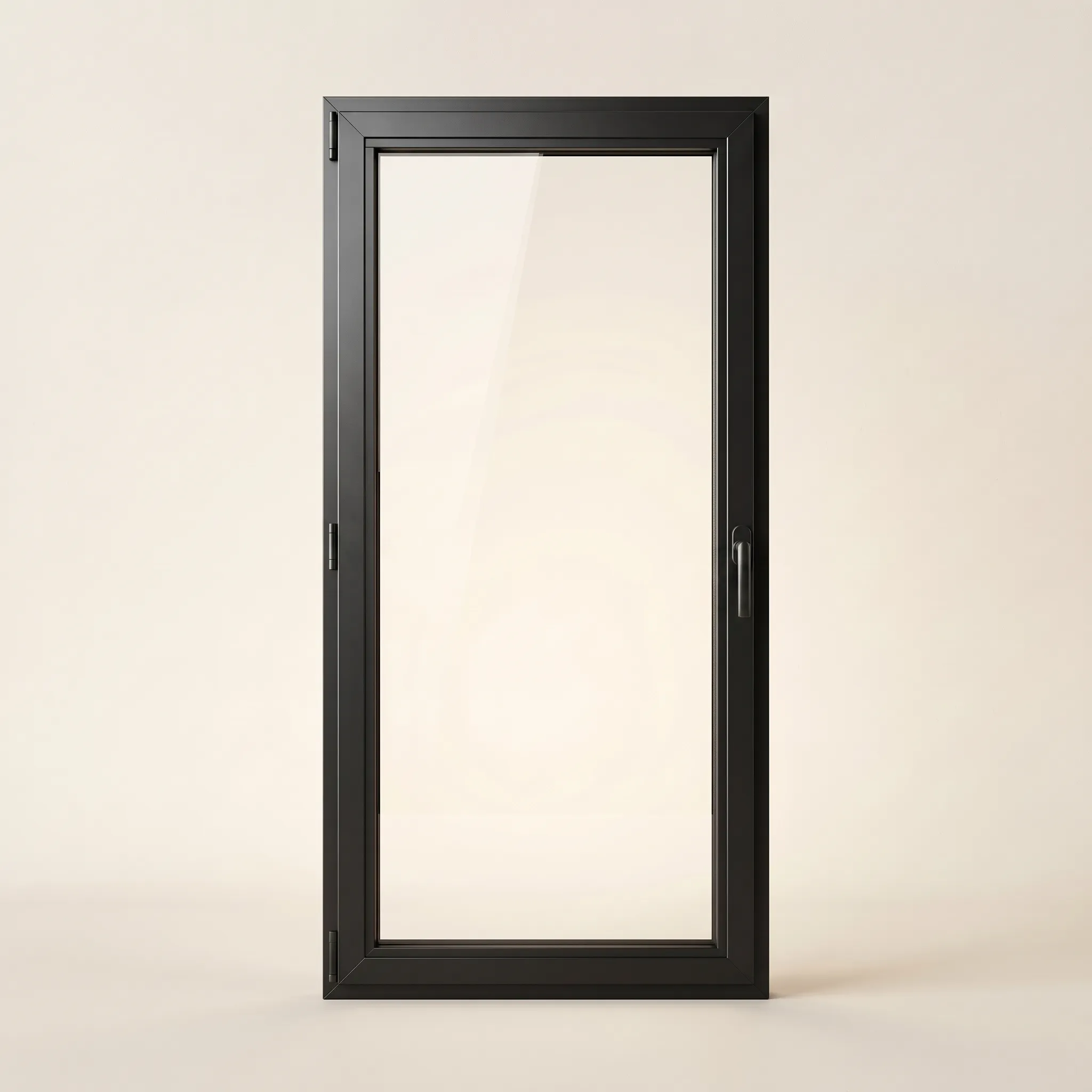
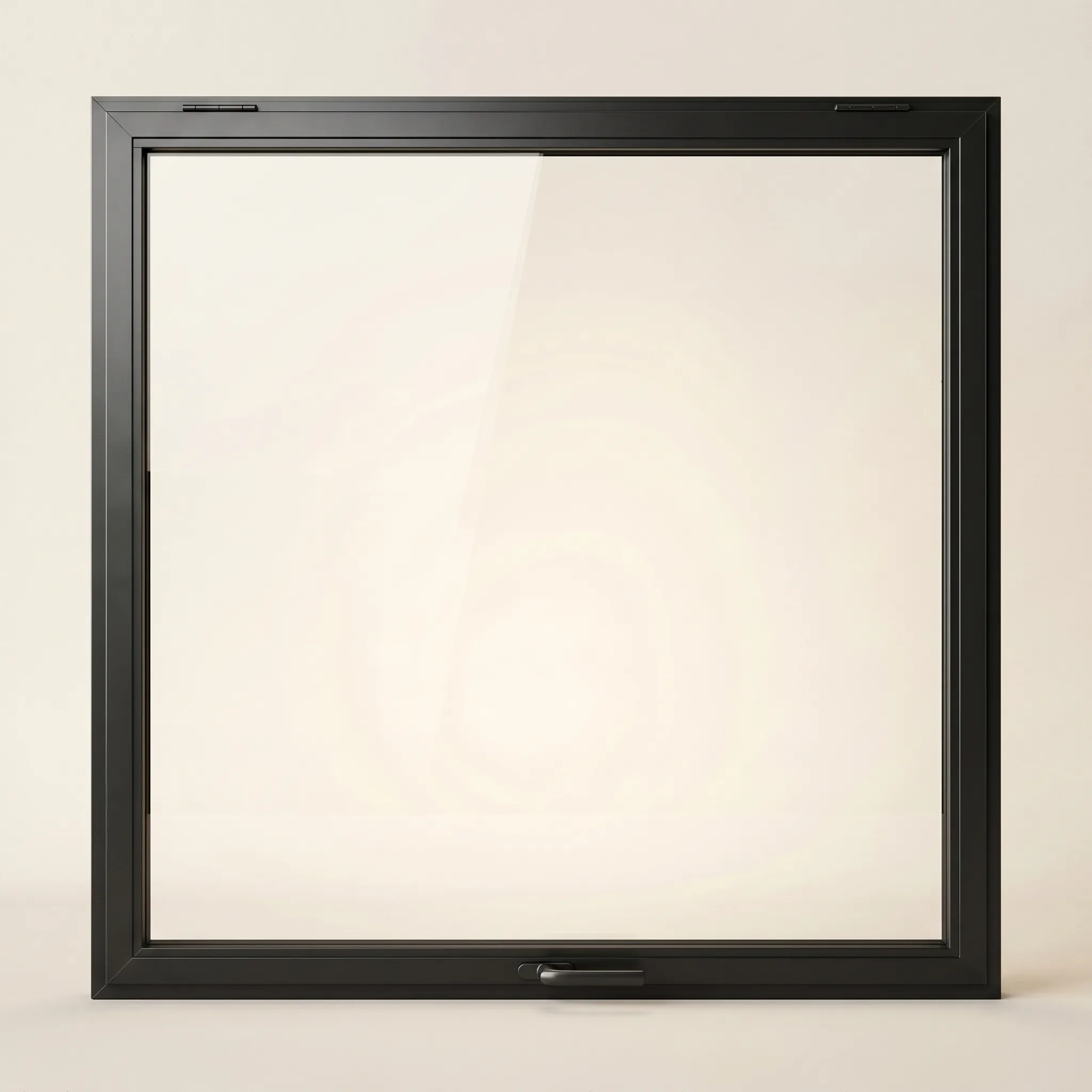
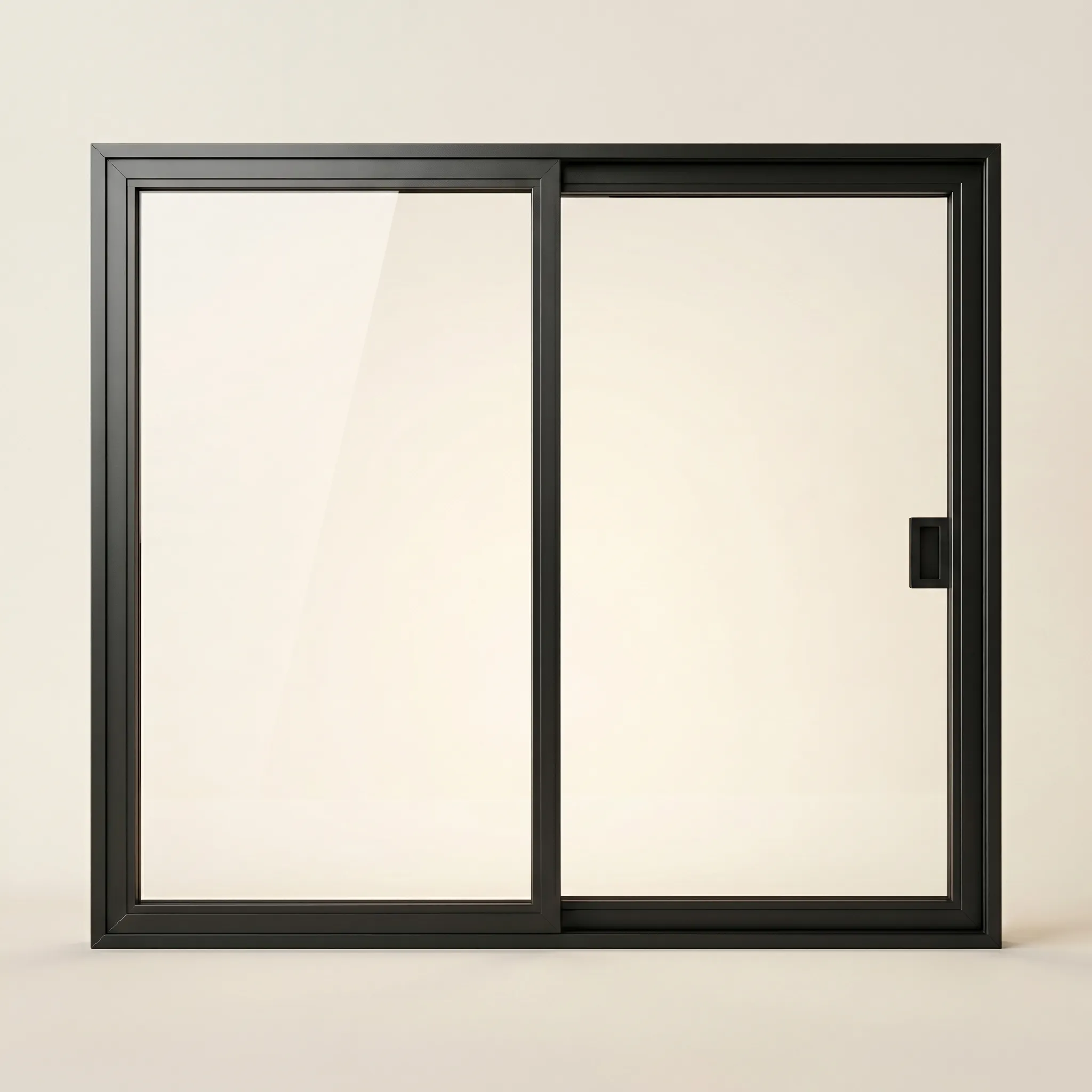
What is the difference between casement, awning, and sliding windows?
A casement is hinged at the side and swings open like a door. An awning is hinged at the top and opens outward from the bottom. A slider moves horizontally along a track. The choice usually comes down to where the opening is, how much clearance it has, and whether you need it open during rain.
Which is better for ventilation, casement or sliding?
A casement, generally — it opens the full area of the sash and can direct passing air into the room, where a slider opens at most half the total opening. Sliders win where there is no clearance for a swinging sash.
Can awning windows stay open in the rain?
Yes, that is the format's main advantage. Because the sash hinges at the top and opens outward from the bottom, it forms a small shelter over the opening, so it can stay open in light rain where a casement or slider cannot.