

Tilt-and-Turn Windows Explained
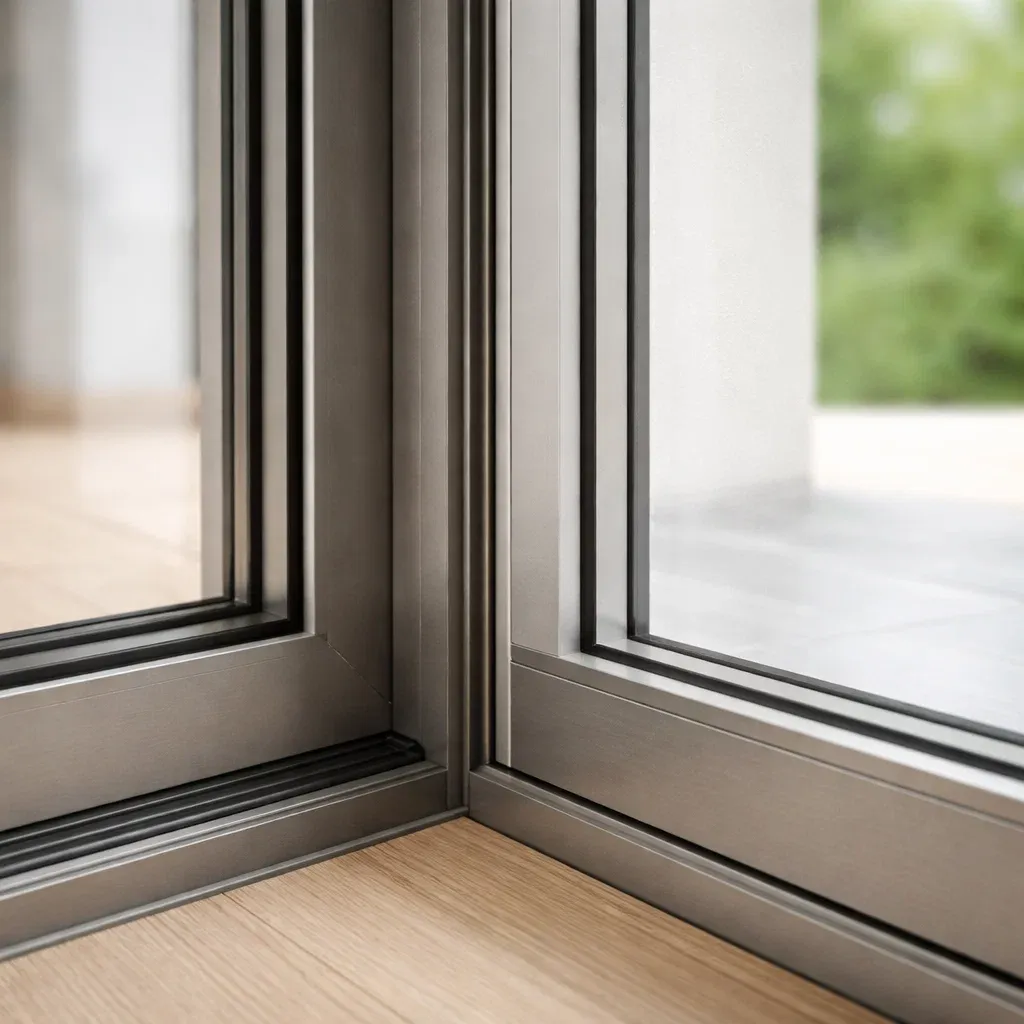
If you’ve spent time in a newer European home, you’ve used a tilt-and-turn window, probably without thinking about it. A single handle, two completely different ways to open, and a seal so tight the window feels more like a door when it’s shut. Tilt-and-turn is the standard across much of Europe for good reasons, and it’s increasingly specified in premium North American builds. Here’s how it works and where it fits.
What a tilt-and-turn window is
A tilt-and-turn window is a single sash with hardware that lets it open two ways from one handle. It looks like a simple inswing window, but the multi-point mechanism inside the frame does something no basic window can: it gives you controlled ventilation in one position and full, door-like opening in another.
The magic is in the hardware. European multi-point systems drive locking points around the entire perimeter of the sash and switch the hinge behavior based on how far you turn the handle.
The two modes
The handle has three positions:
- Handle down — locked. Multi-point locking pulls the sash tight against the seal around the full perimeter. This is what makes tilt-and-turn windows so airtight.
- Handle horizontal — turn. The sash swings fully inward like a door, hinged at the side. This gives maximum airflow and, crucially, lets you clean the exterior glass from inside — a real advantage on upper floors.
- Handle up — tilt. The sash tips inward from the top a few inches, hinged at the bottom. This gives secure, draft-free ventilation you can leave open, even in light rain, without the window swinging wide.
That tilt position is the everyday hero: secure trickle ventilation without an open sash sticking into the room or out into the weather.
Why Europe standardized on them
Tilt-and-turn became the European default because it solves several problems at once: airtight sealing for energy efficiency, flexible ventilation for comfort, easy cleaning, and strong security from the multi-point locking. In climates with real winters and a strong focus on energy performance, that combination is hard to beat.
Performance and security
The perimeter multi-point locking does double duty. Because it compresses the sash evenly against the gasket all the way around, it delivers excellent air- and water-tightness — better than a single-point latch that only pulls one edge. That same locking makes the window harder to force, a security benefit that comes built in rather than as an add-on.
Pair that airtight frame with good glazing and you have a window that holds temperature and quiet extremely well.
When to choose one
Tilt-and-turn is an excellent choice when you want:
- The best everyday ventilation flexibility, especially secure “leave it open” tilt airflow.
- Easy interior cleaning of exterior glass, particularly on upper floors.
- Airtight sealing and strong built-in security.
- A clean, modern European aesthetic.
It’s inswing by nature, so account for the sash clearing into the room in turn mode when planning furniture and window treatments. If a full inswing sash doesn’t suit a particular opening, a casement or another operable style may fit better — compare them in our casement vs awning vs sliding guide.
Curious whether tilt-and-turn suits your project? Request a quote and we’ll talk it through.
What are tilt and turn windows?
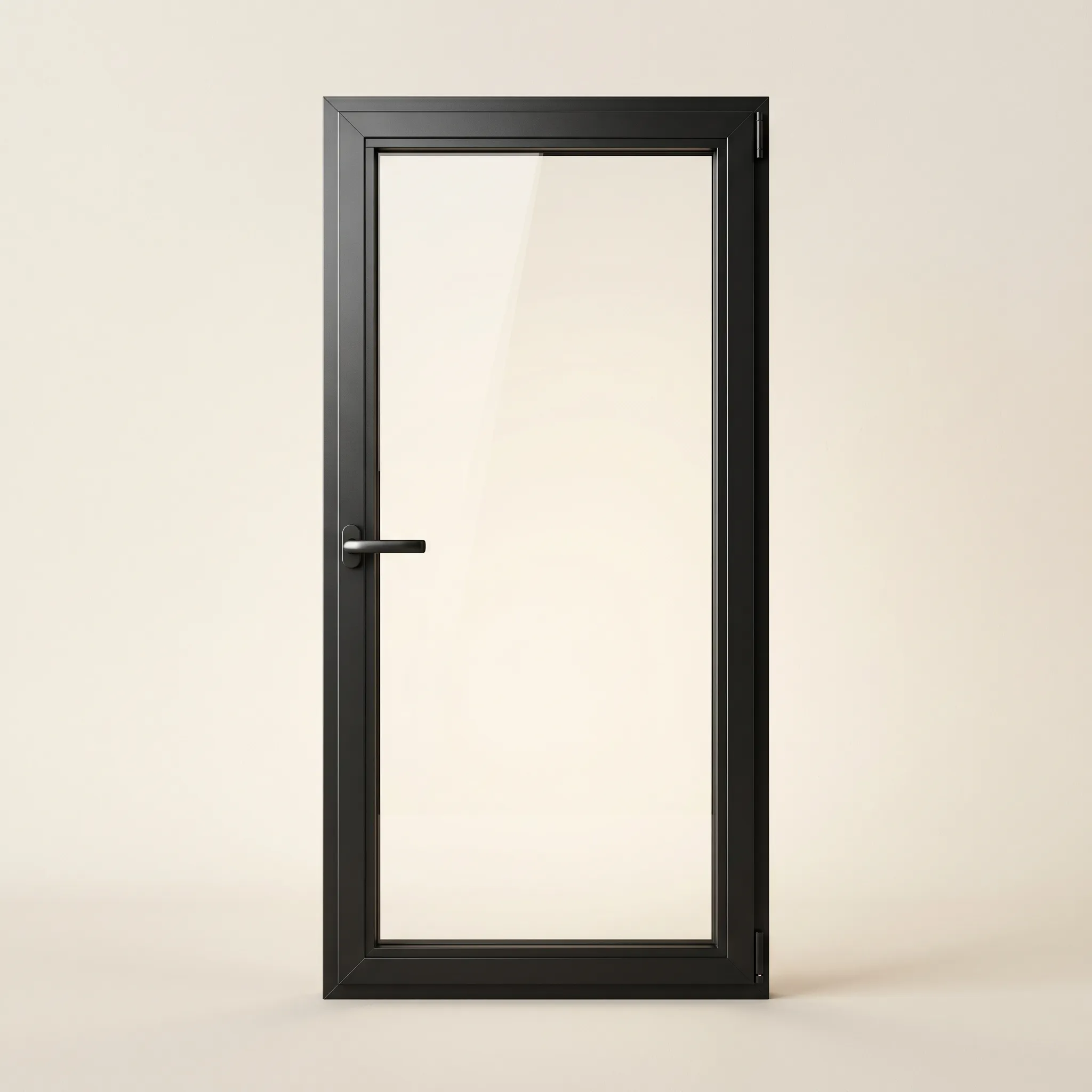
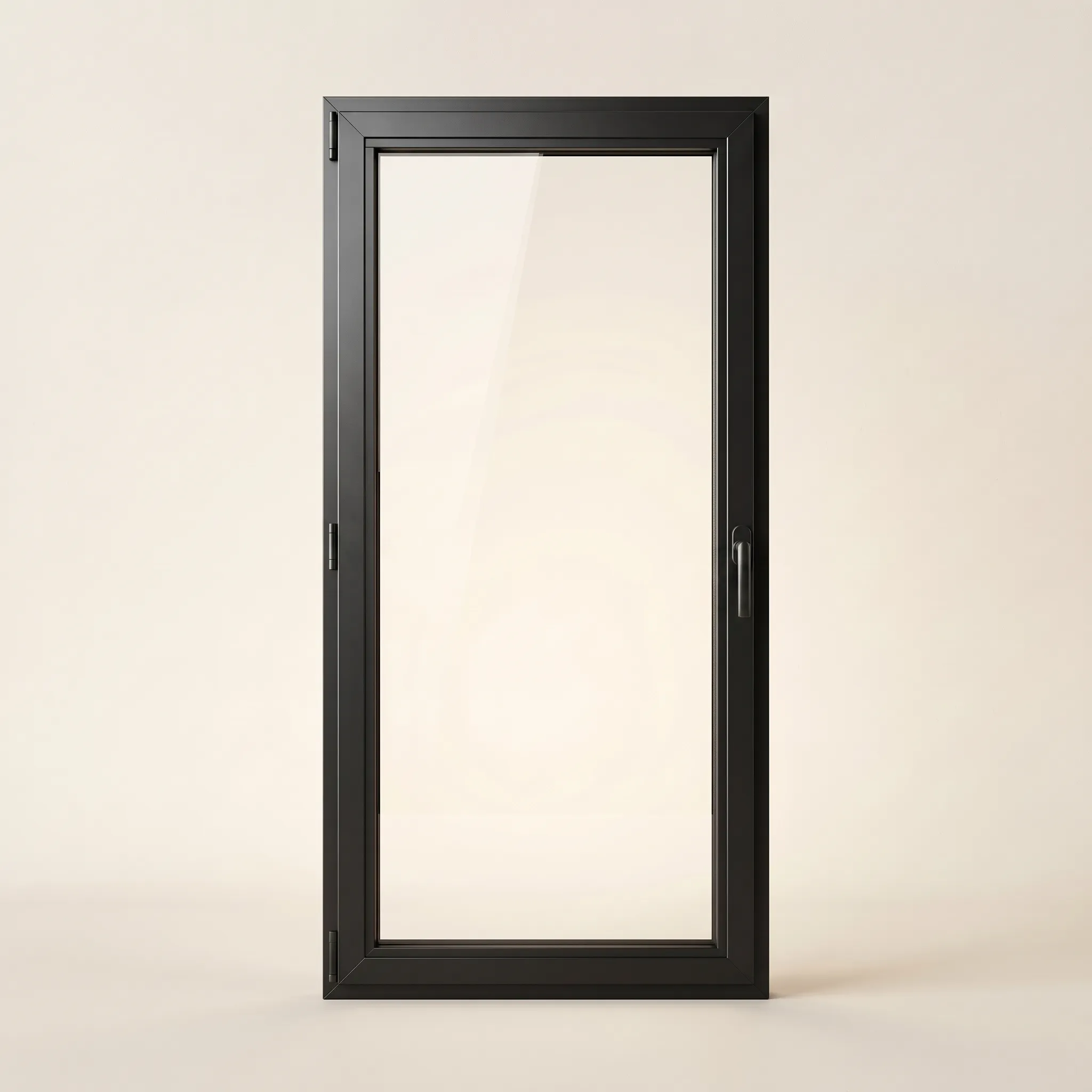
A tilt and turn window is a single sash with two opening modes controlled by one handle: turned partway, it tilts inward from the top for controlled ventilation; turned fully, it swings inward like a door for full airflow and easy cleaning. The mechanism is European in origin and relies on multi-point hardware that locks the sash against the frame at several points around its perimeter.
How do tilt and turn windows work?
The handle drives a multi-point locking mechanism around the sash. At 90 degrees the hardware releases the side hinges and the sash swings inward; at 180 degrees it releases the top instead and the sash tilts in from the head. In the closed position the same mechanism pulls the sash tight against the seal at every locking point.
Are tilt and turn windows more secure?
Generally yes, because the multi-point mechanism engages the frame at several points rather than a single latch, and the sash opens inward so the hardware is not accessible from outside. Security also depends on the glazing and the frame, so it is worth confirming the whole assembly rather than the hardware alone.
Do tilt and turn windows open in or out?
Inward, in both modes. That is deliberate — it keeps the hardware and seal on the protected side of the window and makes the exterior glass reachable for cleaning from inside. It does mean allowing for the sash's swing path when planning window coverings and furniture.
Are tilt and turn windows more expensive?
They typically cost more than a basic single-latch window, because the multi-point hardware and the tighter manufacturing tolerances it demands both add cost. At Bellevue the hardware is included as standard rather than billed as an upgrade, so the comparison is best made against a fully configured quote rather than a base price.