

A Buyer's Guide to Choosing an Entry Door
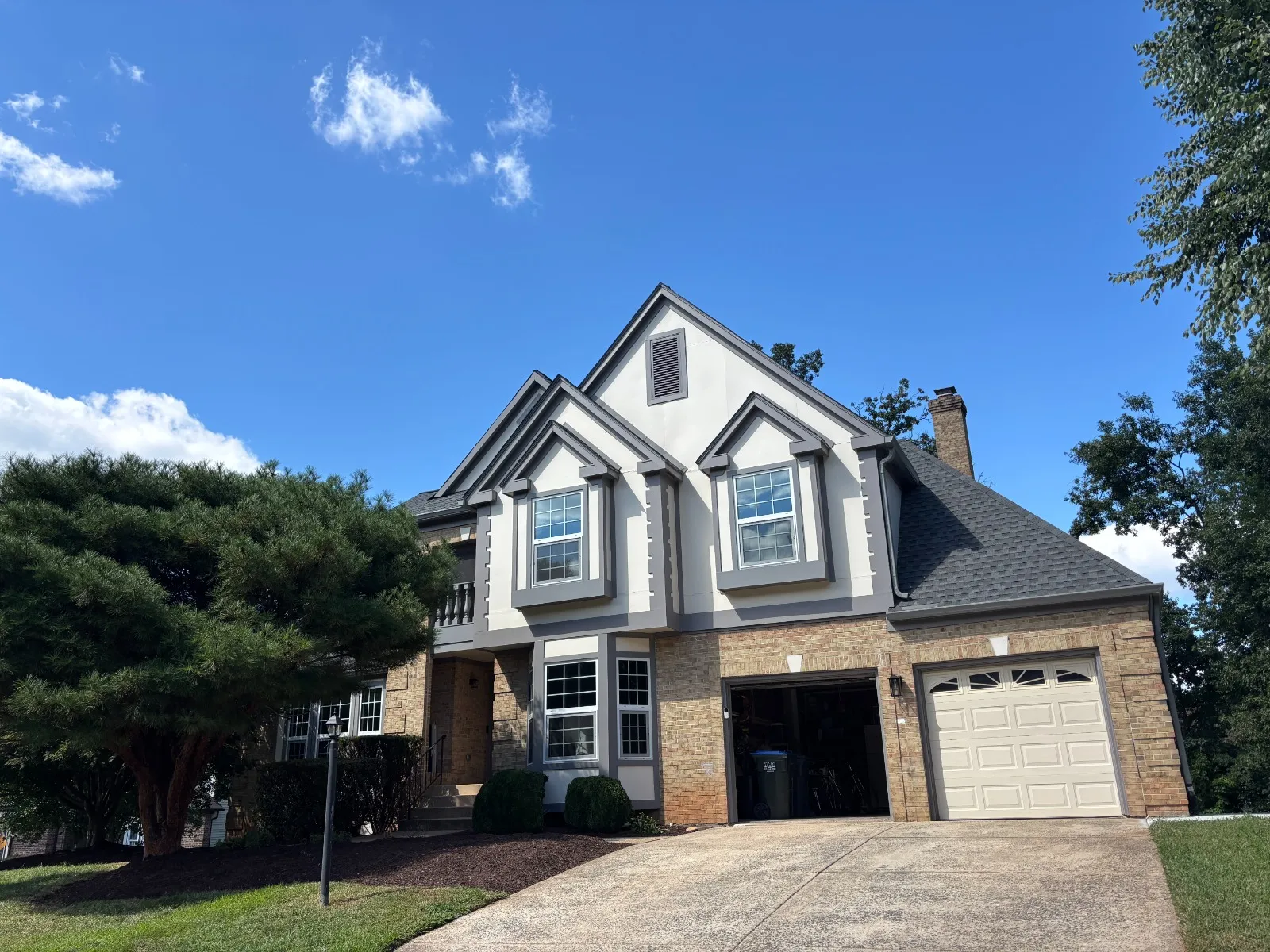
The entry door does more work than any other single element of a facade. It’s the first thing a visitor sees, it sets the architectural tone, and it has to perform — sealing out weather, standing up to daily use, and keeping the home secure — for decades. Choosing one well means balancing appearance against a handful of practical decisions. Here’s how to think it through.
Why the entry door matters
An entry door is both a design statement and a functional threshold. Get it right and it anchors the whole elevation; get it wrong and no amount of good detailing elsewhere quite compensates. Because it’s used every day and exposed to the weather constantly, it also has to be built to a higher standard than an interior door — this is not the place to economize on hardware or sealing.
For projects that want a genuine architectural moment, an oversized pivot door takes the same idea further, swinging on a concealed pivot to allow much larger proportions.
Material choices
Entry doors are available in several materials, each with a different balance of look, durability, and maintenance — similar tradeoffs to window frames. Aluminum and clad constructions offer strength and low maintenance with slim, modern lines; timber offers warmth and character with more upkeep. Match the material to the architecture and to how much maintenance the owner will realistically do.
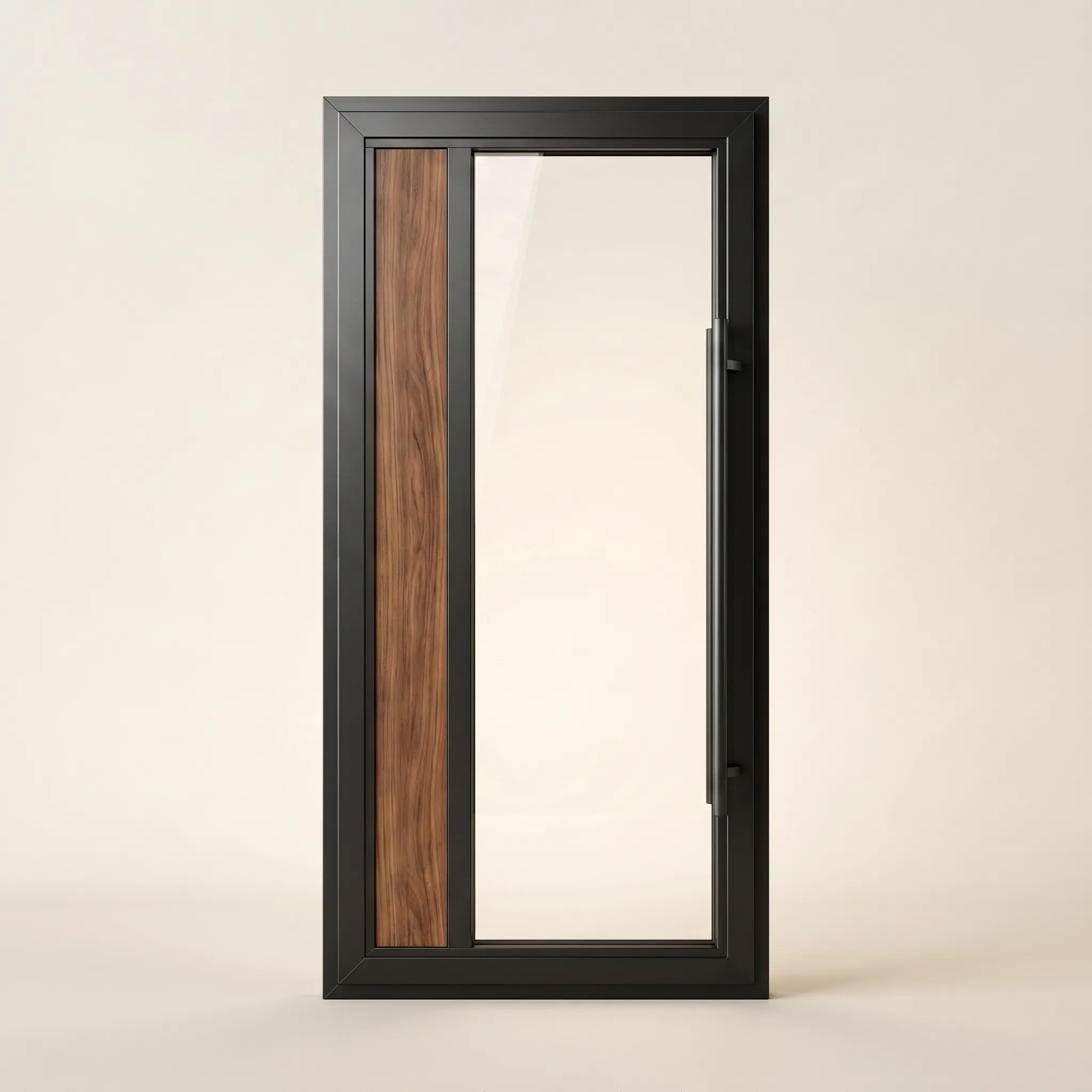
At Bellevue, entry doors are offered in aluminum, aluminum-clad wood, and solid timber — aluminum for strength, slim lines, and low maintenance; clad wood for a warm wood interior behind a weatherproof exterior; and solid timber for full natural warmth and traditional character. Choose the one that suits the home and the owner’s appetite for upkeep.
Whatever the material, an exterior door benefits from an insulated core — it improves thermal performance and gives the door a solid, quality feel rather than a hollow one.
Security and locking
Security starts with the lock. Multi-point locking — which engages the door to the frame at several points, not just at the handle — is a meaningful upgrade over a single deadbolt, improving both security and sealing because it pulls the door evenly tight all the way around. At Bellevue, entry doors come standard with multi-point locking rather than a single deadbolt.
Also consider the door’s overall solidity, the strike and hinge quality, and how any glazing is secured, since glass near a lock can be a weak point if not specified thoughtfully.
Glazing, sidelights, and transoms
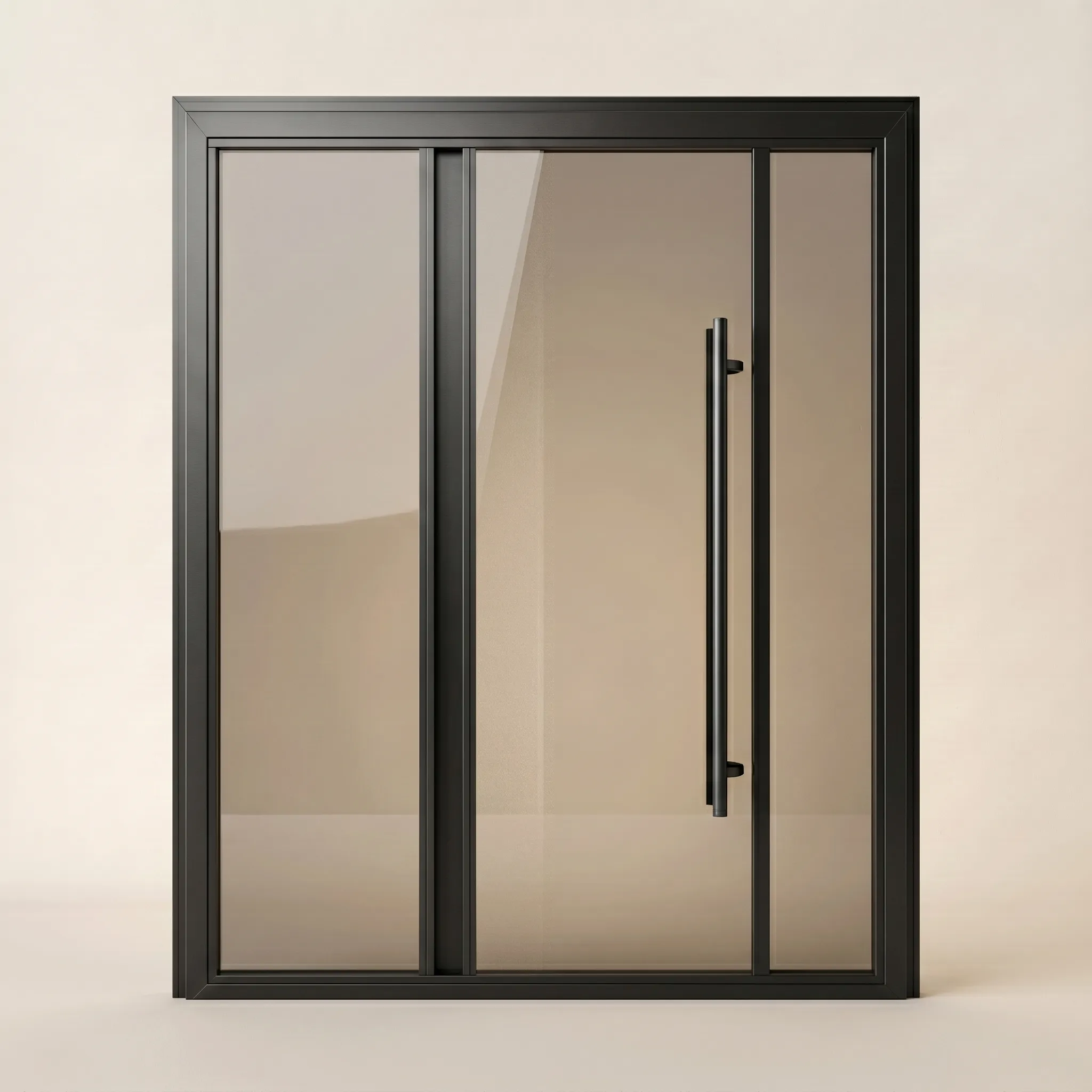
Glass is how you tune the balance between light and privacy at the entry. Options include glazing within the door itself, sidelights flanking it, and a transom above. More glass brings more daylight into the entry and can make a modest entrance feel grand; less glass, or obscured/laminated glass, protects privacy and adds security.
Think about the interior side too: an entry that’s dark inside the front door reads very differently from one washed with daylight. Sidelights and transoms are the usual way to fix that without compromising the door itself.
Weather sealing and durability
Because it’s exposed constantly, an entry door lives or dies on its seals and threshold. Look for continuous weatherstripping, a well-designed threshold that sheds water, and, on operable glazing, the same compression sealing you’d want on a quality window. Good sealing keeps out drafts and driving rain and keeps the entry comfortable year-round. Bellevue doors carry the same 10-year product warranty and 20-year glass protection as our windows.
Durable finishes matter here more than anywhere: the entry takes sun, rain, and daily handling, so the finish needs to hold up to all three.
Matching the door to the home
Finally, step back and look at the door against the whole facade. Proportion, color, hardware finish, and glazing pattern should all belong to the same design language as the windows and the architecture. The most successful entries feel inevitable — like the only door that could have gone there.
At Bellevue, entry and pivot doors are made to your opening with material, glazing, hardware, and finish included in one configured quote. Planning an entrance? Request a quote and we’ll help you get it right.
How do you choose an entry door?
Work through material, glazing, hardware, threshold, and swing in that order — material drives both performance and cost the most, and the rest follow from it. Then confirm the rough opening, because a made-to-measure door removes most of the compromises a standard-size door forces.
What is the best material for an entry door?
There is no single best material, only the right one for the exposure and the look you want. Aluminium and aluminium-clad wood both hold their geometry well over decades; solid timber gives a particular appearance but asks for more maintenance on an exposed elevation.
Should an entry door swing in or out?
Inward is conventional in most US residential construction, and it keeps the hinges on the protected side. Outward swing can make sense where interior space is tight, but it needs hardware rated for the exposure and careful thought about the threshold detail.