

Double-Hung vs. Tilt-and-Turn Windows: Why We Build Tilt-and-Turn
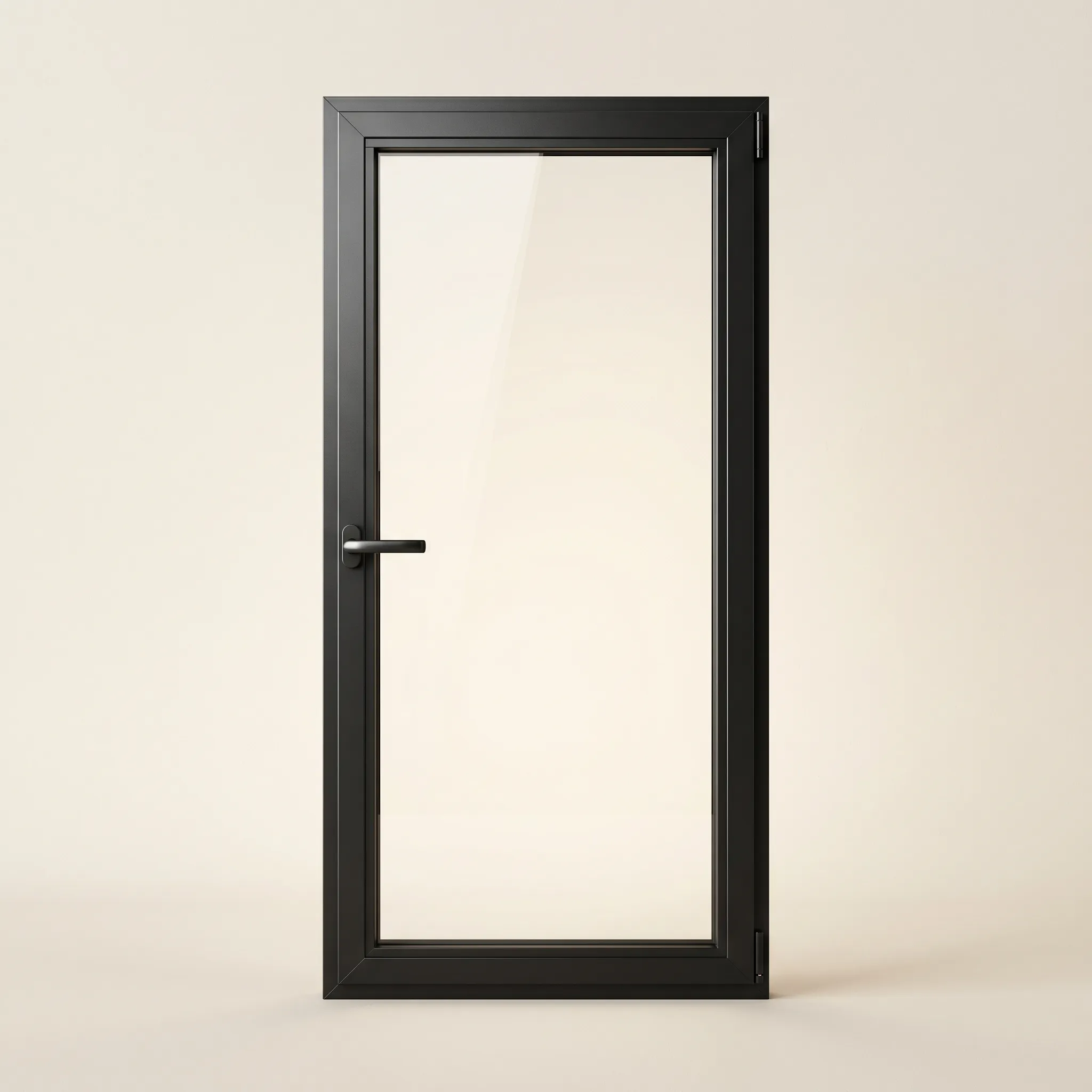
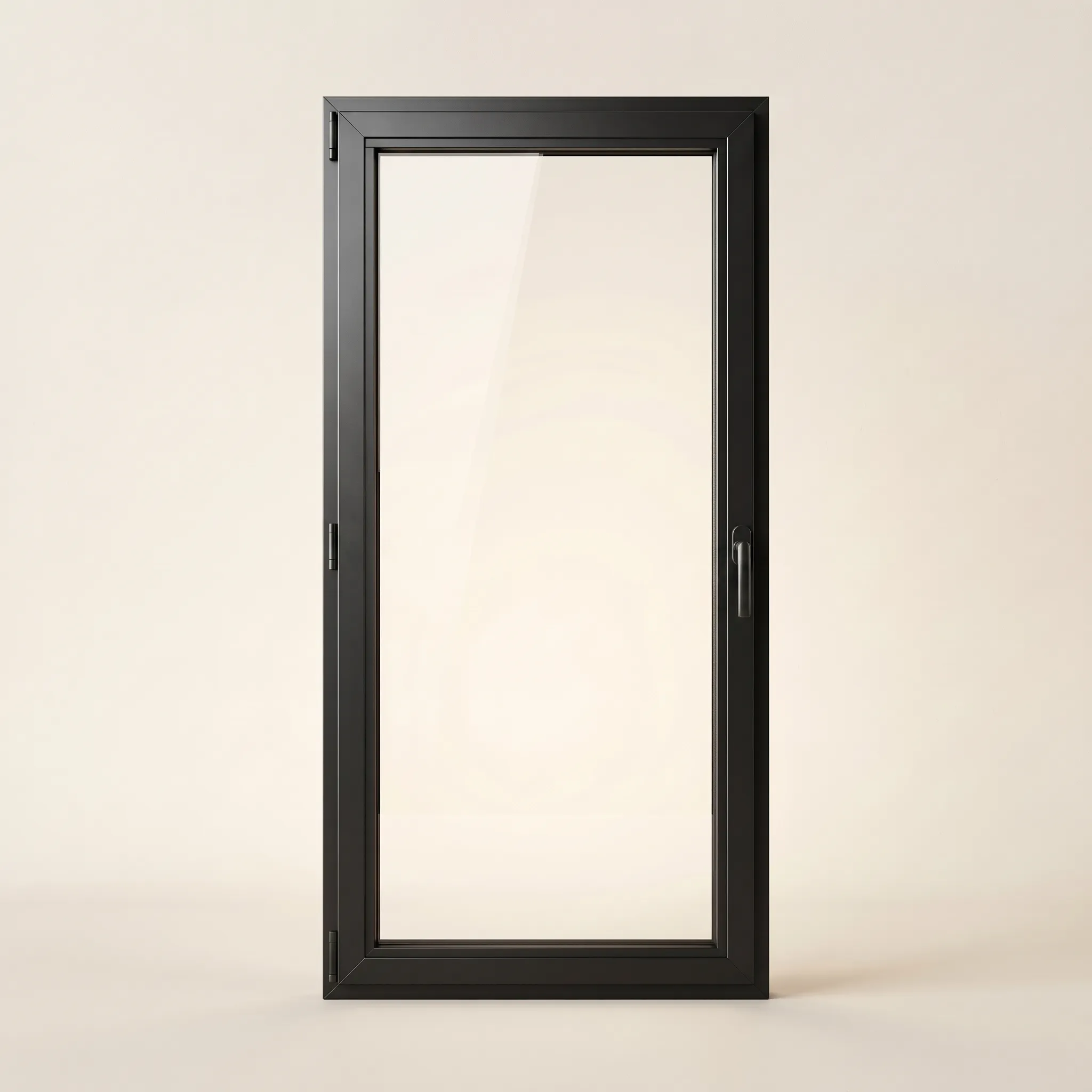
Double-hung windows are the most familiar window format in American residential construction: two vertically sliding sashes, one above the other, that each open by roughly half the total opening. Tilt-and-turn windows, common across Europe, use a single sash on a different hardware system entirely — the same handle either tilts the sash inward from the top for ventilation or swings it fully inward like a door.
How they seal
A double-hung window seals against the frame with compression weatherstripping along a sliding track, which is a workable seal but not an airtight one — tracks wear, and a moving sliding interface is inherently harder to seal than a sash that closes flush and locks under pressure. A tilt-and-turn sash presses closed against the frame at multiple points around its full perimeter, the same principle an exterior entry door uses, which is why tilt-and-turn windows typically test tighter for air infiltration.
How they clean
Double-hung sashes usually tilt inward for cleaning the exterior glass from inside — a genuine convenience double-hung has going for it. Tilt-and-turn goes further: turn the handle the other way and the entire sash swings open like a door, giving full access to both sides of the glass and the frame, not just a tilted gap.
Ventilation
Double-hung gives you a wide, adjustable opening at the top, bottom, or both. Tilt-and-turn’s tilt position gives a narrower, top-hinged gap that’s harder to force from outside — a meaningful security advantage — while the full turn-open position matches or exceeds a double-hung’s total airflow.
Why we build tilt-and-turn
Bellevue doesn’t offer double-hung windows. We build tilt-and-turn because the format’s sealing performance and European multi-point hardware match how we build everything else — high-performance glazing and precision-manufactured frames, included as standard rather than upgrades. If your architecture calls for the double-hung look specifically, our casement line offers a comparable side-hinged alternative with the same sealing advantage.
Curious how tilt-and-turn would perform on your project? Request a quote and we’ll walk through the configuration.
What is the difference between double-hung and tilt and turn windows?
A double-hung window has two sashes that slide vertically past each other within the frame. A tilt and turn window has a single sash that tilts inward from the top or swings inward from the side. The practical differences follow from that: sliding sashes seal against friction fit, while a tilt and turn sash is clamped by multi-point hardware.
Which seals better, double-hung or tilt and turn?
Tilt and turn, generally and measurably. A sliding sash has to stay loose enough to slide, which limits how tightly it can seal; a tilt and turn sash is pulled against the frame at multiple points when the handle is closed. Air infiltration rate is where the difference shows up most clearly.
Are double-hung windows easier to clean?
Most modern double-hung windows tilt in for cleaning, so both formats let you reach the exterior glass from inside. The tilt and turn does it with a single full inward swing rather than two tilting sashes, which is easier on tall or wide units.