

Aluminum vs Aluminum-Clad Wood vs Timber Windows
Frame material is the most consequential decision you’ll make about a window. It sets the look, drives a large share of the cost, and determines how the window performs and ages over the decades you’ll live with it. Most premium windows come down to three choices: aluminum, aluminum-clad wood, and solid timber. Here’s how they compare, and how to choose for your build.
The three materials
Each material is a different balance of durability, warmth, maintenance, and appearance:
- Aluminum — strong, slim, low-maintenance, contemporary.
- Aluminum-clad wood — a wood interior with a protective aluminum exterior; warmth inside, weather resistance outside.
- Solid timber — the traditional choice; warm, natural, and characterful, with more upkeep.
None is universally “best.” The right one depends on your architecture, climate, and how you weigh appearance against maintenance.
Aluminum windows
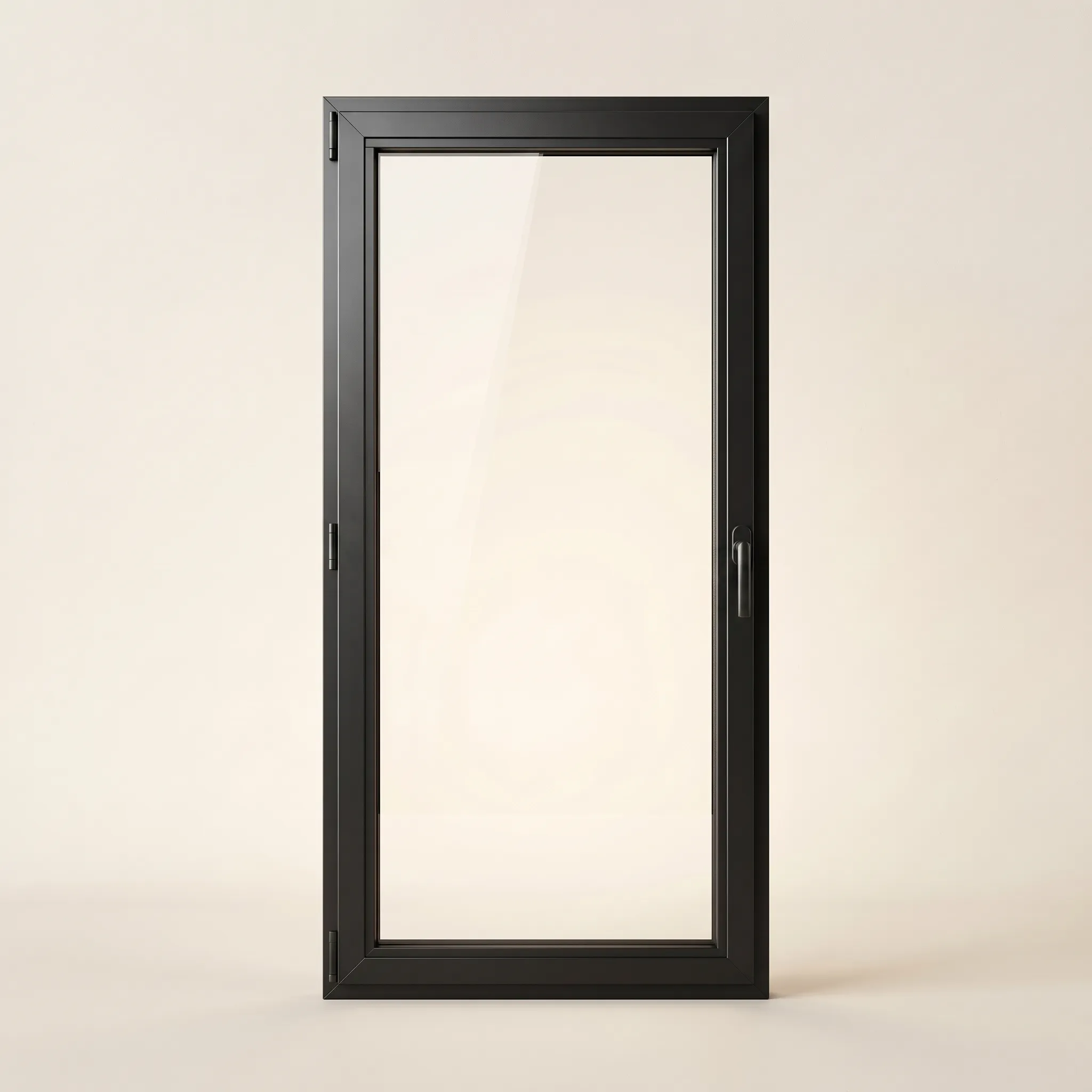
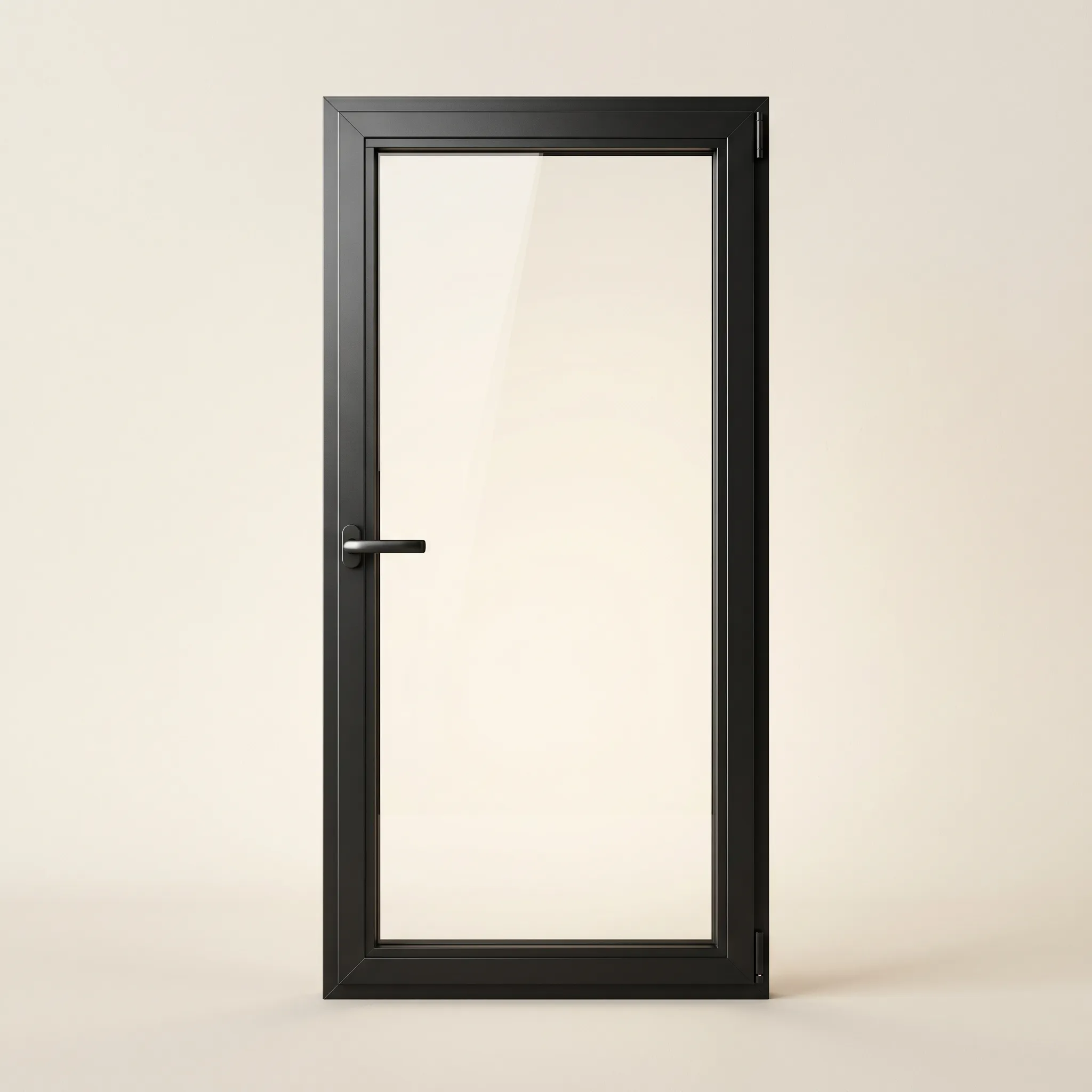
Aluminum frames are strong enough to hold large expanses of glass with very slim sightlines, which is why they dominate contemporary and minimalist architecture. They don’t rot, warp, or swell, and a quality finish resists weathering for a long time with almost no maintenance.
The historical knock on aluminum was thermal performance, because metal conducts heat and cold. Modern aluminum windows address this with a thermal break — an insulating barrier between the inside and outside of the frame — which dramatically improves efficiency over older single-piece designs.
Aluminum is the natural fit for modern builds, big glass, and anyone who wants the lowest possible maintenance. See it on our casement and tilt-and-turn windows.
Aluminum-clad wood
Clad wood tries to give you the best of both worlds: a real wood frame on the interior, where you see and touch it, protected by an aluminum skin on the exterior, where the weather is. Inside, you get the warmth and finish options of timber. Outside, you get the durability and low maintenance of aluminum — no repainting, no rot exposure.
It’s a popular choice for premium homes that want a warm, traditional or transitional interior without committing to the ongoing maintenance of exposed exterior wood. The tradeoff is cost and thickness: clad-wood frames are typically pricier than aluminum and have slightly chunkier profiles than a slim all-aluminum frame.
Solid timber
Solid timber is the original window material, and for good reason: nothing else has quite the same warmth, depth, and character, and it can be shaped and finished in ways other materials can’t. For period homes, heritage restorations, and anyone who loves natural material, timber is often the only choice that feels right.
The tradeoff is maintenance. Exposed exterior wood needs periodic refinishing to protect it from moisture and UV, and how often depends heavily on your climate and exposure. A well-maintained timber window lasts generations; a neglected one doesn’t. If you love the look but not the upkeep, clad wood is the usual compromise.
Thermal performance and maintenance
A few principles hold across all three:
- Wood is naturally insulating, which is why timber and clad-wood frames tend to perform well thermally.
- Aluminum needs a thermal break to compete, and quality modern frames have one.
- The glazing matters as much as the frame. A great frame with mediocre glass underperforms; see understanding window glazing.
- Maintenance rises with exposed wood. Aluminum exteriors are effectively maintenance-free; exposed timber is not.
Choosing for your project
A simple way to decide:
- Want slim, modern, and virtually no maintenance? Aluminum.
- Want a warm wood interior with a weatherproof, low-maintenance exterior? Aluminum-clad wood.
- Want authentic natural material and character, and accept the upkeep? Solid timber.
At Bellevue, all three materials are available and priced as part of one all-in quote — the material you choose is included, not billed as an upgrade tier. Our aluminum frames use thermal-break technology as standard and reach a U-factor as low as 0.22. If you’re weighing options, tell us about the build in a quote request and we’ll walk through which material fits.
What is the difference between aluminium, aluminium-clad wood, and timber windows?
Aluminium is a single material throughout, strong enough for slim sightlines and stable over time. Aluminium-clad wood pairs a timber interior with an aluminium exterior skin, giving the interior warmth of wood without exposing it to weather. Solid timber is wood inside and out, with the appearance that implies and the maintenance to match.
Are aluminium-clad wood windows worth it?
For most custom builds, yes — they solve the main weakness of solid timber (weather exposure on the exterior face) while keeping the interior appearance most people want from wood. The tradeoff is cost and weight over a straight aluminium unit.
Do timber windows need more maintenance?
The exterior face does, yes. Solid timber exposed to weather needs periodic refinishing on a cycle that depends heavily on the elevation and climate. That is precisely the problem aluminium cladding is designed to remove.