

What Makes a Window Energy Efficient
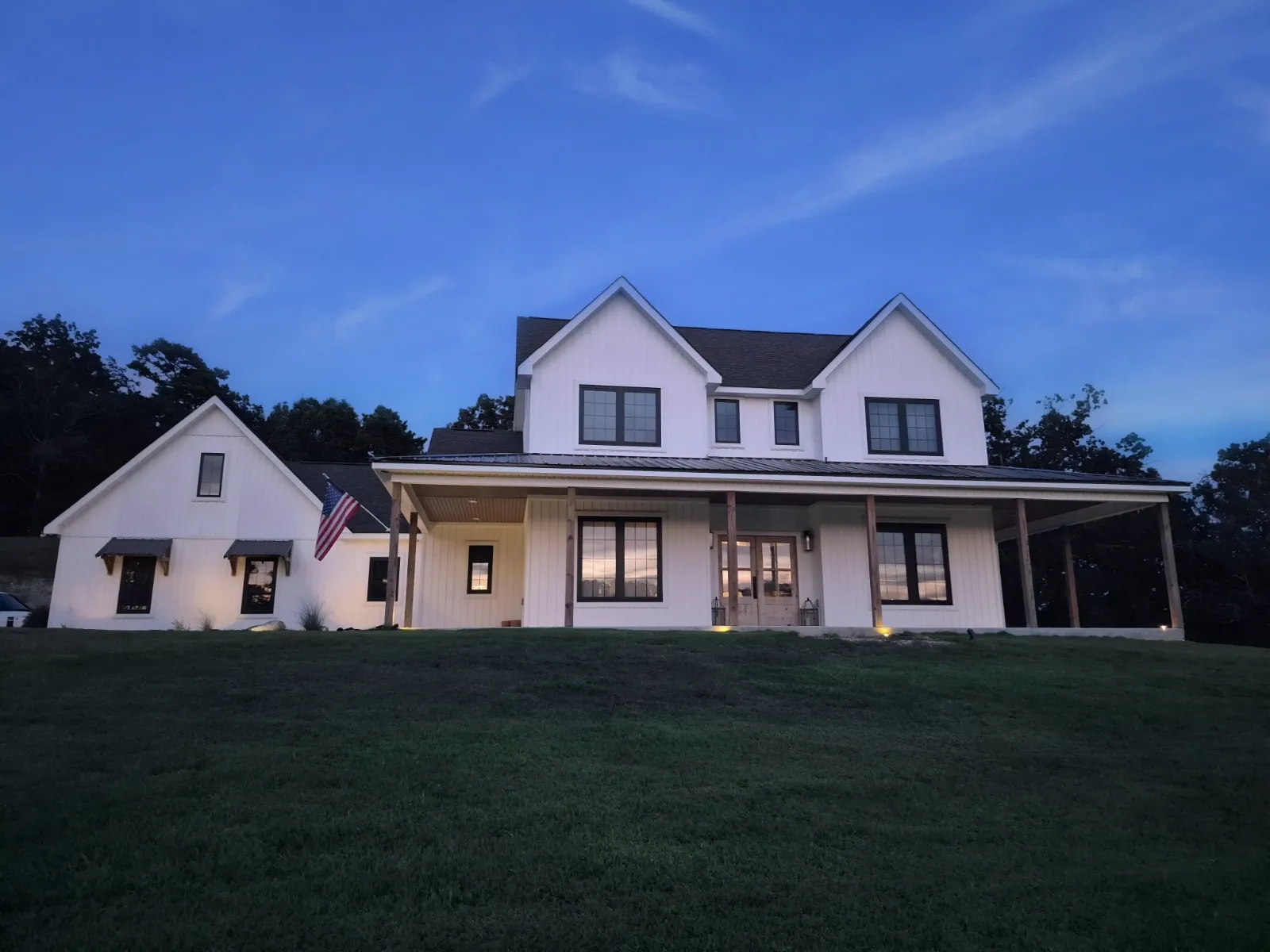
“Energy efficient” gets used as a marketing label more often than it gets explained. A window’s real efficiency comes down to four things working together — the glazing, the frame, the seal, and the installation — and a weak link in any one of them limits what the other three can do.
The glazing does most of the work
The glass assembly — pane count, Low-E coating, gas fill, and spacer type — accounts for most of a window’s thermal performance. Our glazing guide covers this in depth, but the short version: Low-E coatings reflect radiant heat while letting light through, and a warm-edge spacer prevents the cold-conducting edge effect that older aluminum spacers caused.
The frame needs a thermal break
Frame material matters almost as much as glass. Uninsulated metal frames conduct heat straight through, which is why quality aluminum windows use a thermal break — an insulating barrier between the interior and exterior faces of the frame. Wood and aluminum-clad wood frames are naturally insulating without needing one. See our materials comparison for how the three options stack up.
Reading the numbers
Two figures on a spec sheet tell you almost everything:
- U-factor — how well the whole window (not just the glass) insulates. Lower is better, and it’s the number that matters most in cold climates.
- SHGC (Solar Heat Gain Coefficient) — how much solar heat passes through. Lower blocks more sun, which matters most in hot, sunny climates.
There’s no universal “best” number — the right target depends on your climate, orientation, and shading.
Installation is the part nobody advertises
Even a well-built window underperforms if it’s installed with gaps around the rough opening, missing flashing, or inadequate insulation between the frame and the wall. Air leakage at the installation line is one of the most common — and most preventable — sources of energy loss in a new build.
Bellevue windows ship with high-performance Low-E glazing, argon fill, and warm-edge spacers as standard, and our aluminum frames use thermal-break technology as standard, reaching a U-factor as low as 0.22. Tell us your climate in a quote request and we’ll spec the glazing to match.
What makes a window energy efficient?
Four things, in roughly this order: the glazing package (pane count, Low-E coatings, gas fill, spacer type), the frame's thermal break, the air infiltration rate of the assembly, and the quality of the installation. A high-specification window installed with a thermal bridge at the perimeter will not deliver its rated numbers.
Do energy efficient windows actually save money?
They reduce heating and cooling load, and the saving is real but climate-dependent. The honest framing is that the payback period varies widely by climate, orientation, and what you are replacing — the comfort improvement is usually more immediately noticeable than the bill.
What U-factor should I look for?
Standard double-pane units commonly land around 0.30 to 0.35. Genuinely high-performance windows push into the 0.20s or lower. Always confirm whether the number quoted is whole-window or centre-of-glass, because the two differ substantially and only the first describes the assembly you are buying.