

European Windows Explained: Tilt-and-Turn, Hardware, and Why the US Is Catching Up
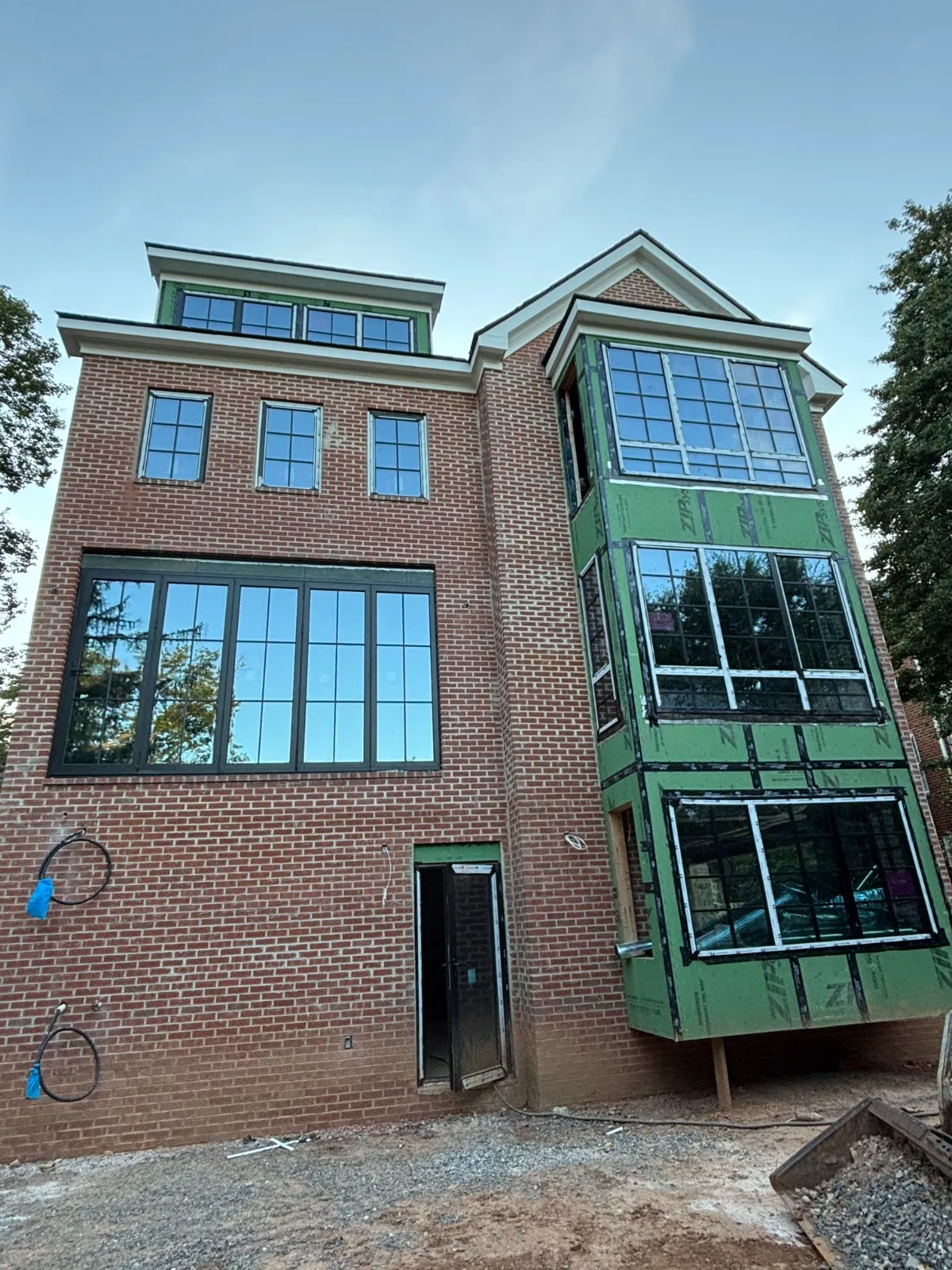
“European windows” isn’t a single product, it’s a set of conventions — an operating format, a hardware standard, and a glazing baseline — that developed differently from typical American window manufacturing and have been steadily gaining ground with US architects and builders.
The operating format
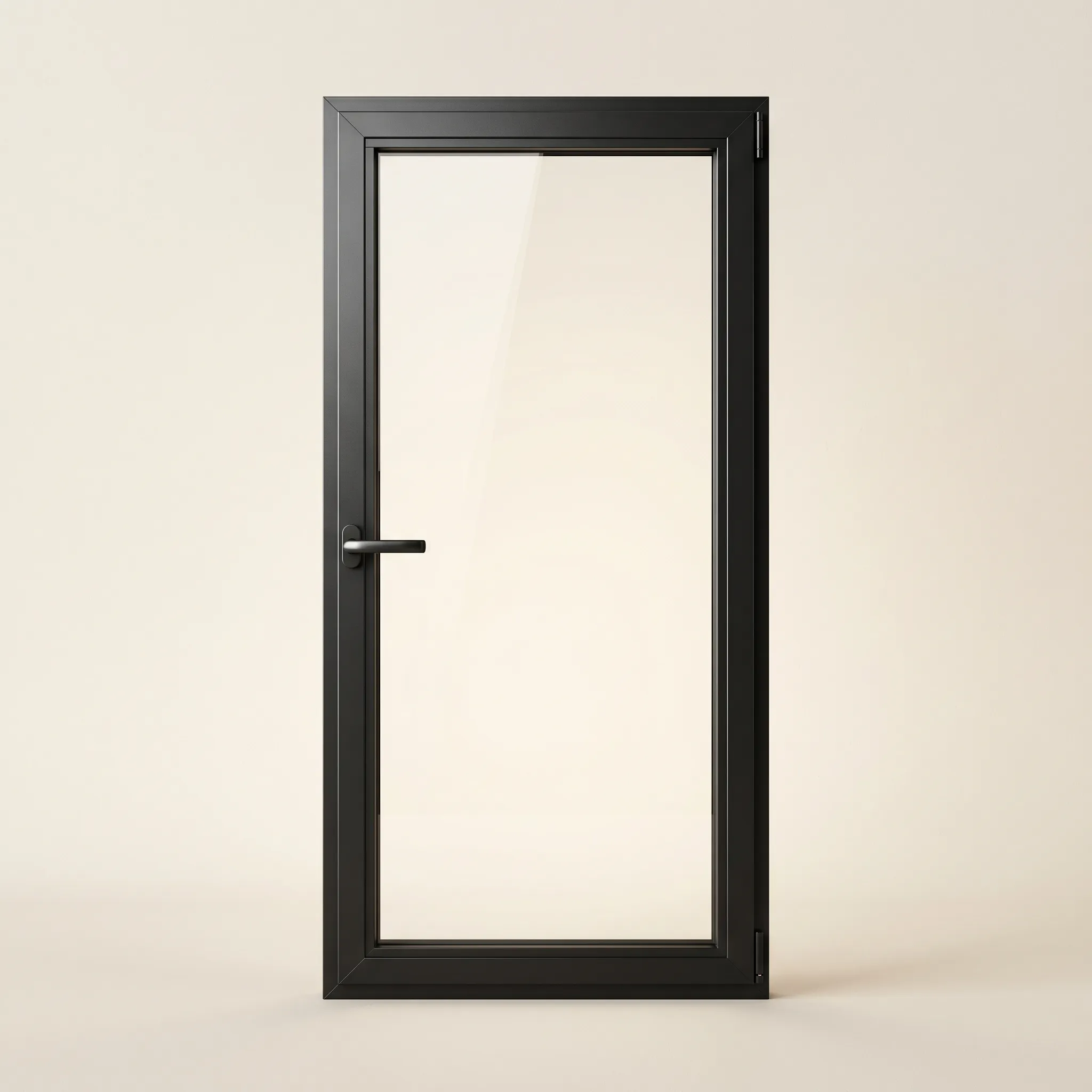
The signature feature is tilt-and-turn operation: one handle, two modes. Turn it one way and the sash tilts inward from the top for secure, draft-free ventilation. Turn it further and the whole sash swings inward like a door. It’s a fundamentally different mechanism from the sliding sashes and single-hinge casements that dominate the US market, and it’s why the format keeps getting specified on projects that want both performance and flexibility from the same window.
The hardware standard
European multi-point locking is the other defining piece: instead of a single latch, the sash locks against the frame at multiple points around its perimeter under even pressure, closer to how a bank vault or a walk-in cooler seals than a typical window. That’s the mechanical reason European-hardware windows test tighter for air infiltration than single-point-latch alternatives.
The glazing baseline
European manufacturing conventions also tend to default to a higher glazing spec — Low-E coatings, warm-edge spacers, and triple-pane options — as standard rather than upgrade, which is a meaningful difference from a market where those are frequently sold as add-ons. See our glazing guide for what each of those terms actually does.
Why US builders are catching up
Energy codes have tightened, and the performance gap between a standard single-hinge, single-latch American window and a European tilt-and-turn window has become a real line item on an energy model — not just an aesthetic preference. As more US suppliers make European hardware available domestically, it’s moved from an import-only specialty item to a mainstream spec option.
Every Bellevue window is built with genuine European multi-point hardware, precision-manufactured frames, and high-performance glazing included as standard, in aluminum, aluminum-clad wood, or timber. Request a quote to see it configured for your project.
What are European windows?
Windows built to the conventions common across continental Europe: inward-opening sashes, multi-point locking hardware, thermally broken frames, and glazing specified to a higher baseline than the US standard. Tilt-and-turn is the most recognisable format, though the term covers the construction approach more than any single style.
How do European windows work?
The defining mechanism is multi-point locking driven by a single handle, which pulls the sash tight against the frame at several points rather than one. That is what produces the airtightness the format is known for, and it is why the hardware quality matters more than it does on a simple single-latch window.
Are European windows better than American windows?
They are built to a different set of priorities rather than being categorically better. European construction generally prioritises airtightness, thermal performance, and hardware durability; the tradeoffs are inward swing, higher unit weight, and a supply chain that is still a specialty in the US market.
How do you install European windows in the US?
The units themselves install conventionally, but the detail that matters is where the frame sits relative to the insulation layer — set outboard of it, a high-performance European window will underperform its rated numbers. Our guide on passive house windows covers why the perimeter detail is part of the specification.