

What Custom Windows Actually Cost
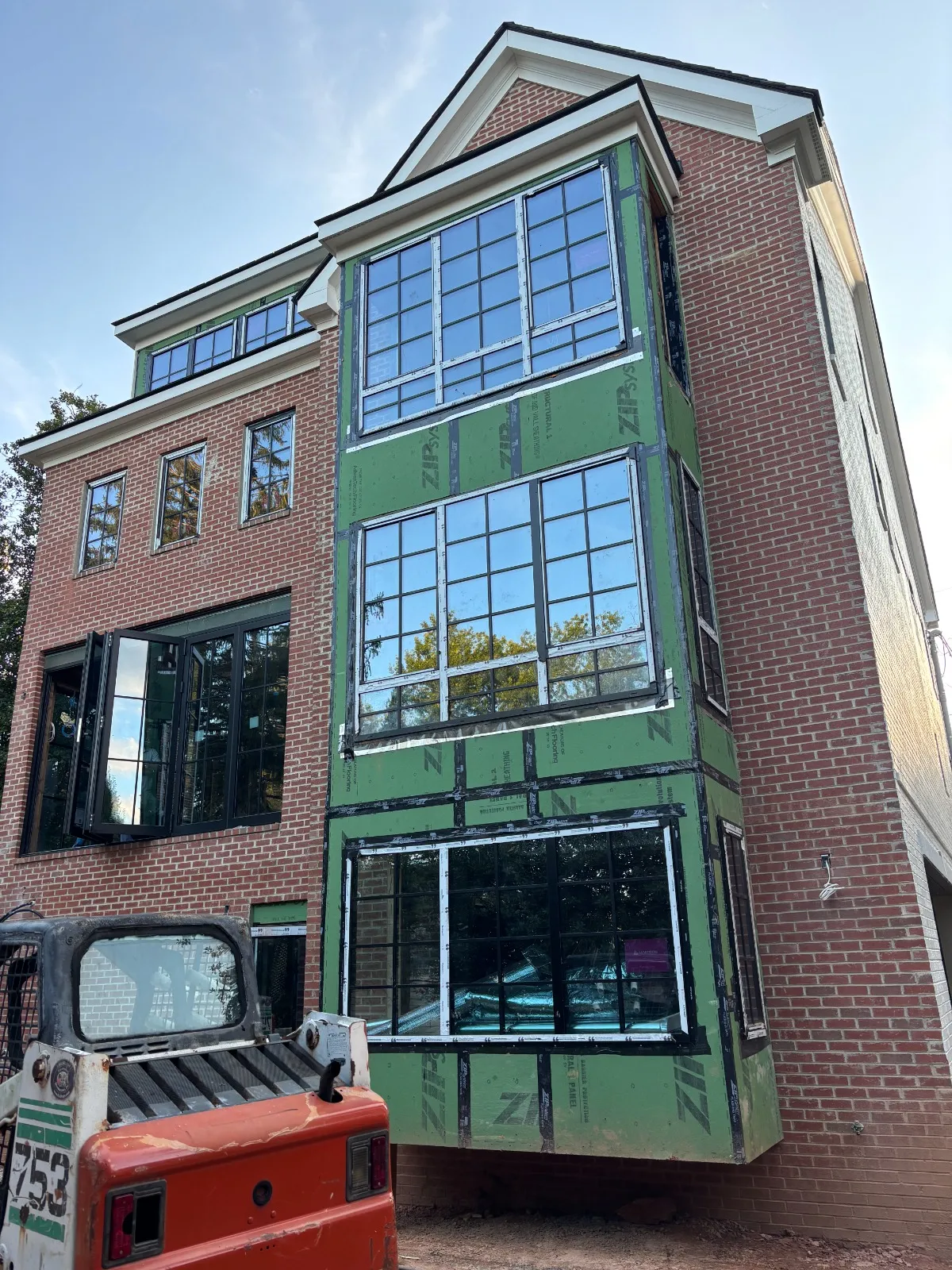
“What do custom windows cost?” is a fair question with a frustrating answer: it depends. But it depends on a knowable set of things, and once you understand them, you can read a quote clearly and compare two of them fairly. This guide covers what actually drives the price and, just as importantly, how the structure of a quote can make the same window look cheaper or more expensive than it really is.
We’re not going to print a price-per-window here, because a number without a configuration is meaningless.
What you’re actually paying for
A custom window is a made-to-order product, not something pulled from a shelf. The price reflects the material, the glass, the hardware, the precision of manufacturing to your exact opening, and the finish. Two windows of the same size can differ substantially in price based entirely on those choices — which is why “cost per window” only means something once the window is fully specified.
The five cost drivers
Nearly all of the price comes from five things:
- Size and quantity. Bigger units use more material and glass and are harder to handle and ship. More openings cost more in total. This is the most intuitive driver.
- Material. The frame material is the biggest single lever. Aluminum, clad wood, and timber sit at different price points — see our materials comparison.
- Glazing. Double vs triple pane, Low-E coatings, laminated or tempered glass, and gas fills all move the price. Better glazing costs more up front and pays back in comfort and efficiency. See understanding window glazing.
- Hardware and operation. A fixed picture window is simpler — and usually cheaper — than an operable one with multi-point locking. Premium European hardware costs more than basic hardware.
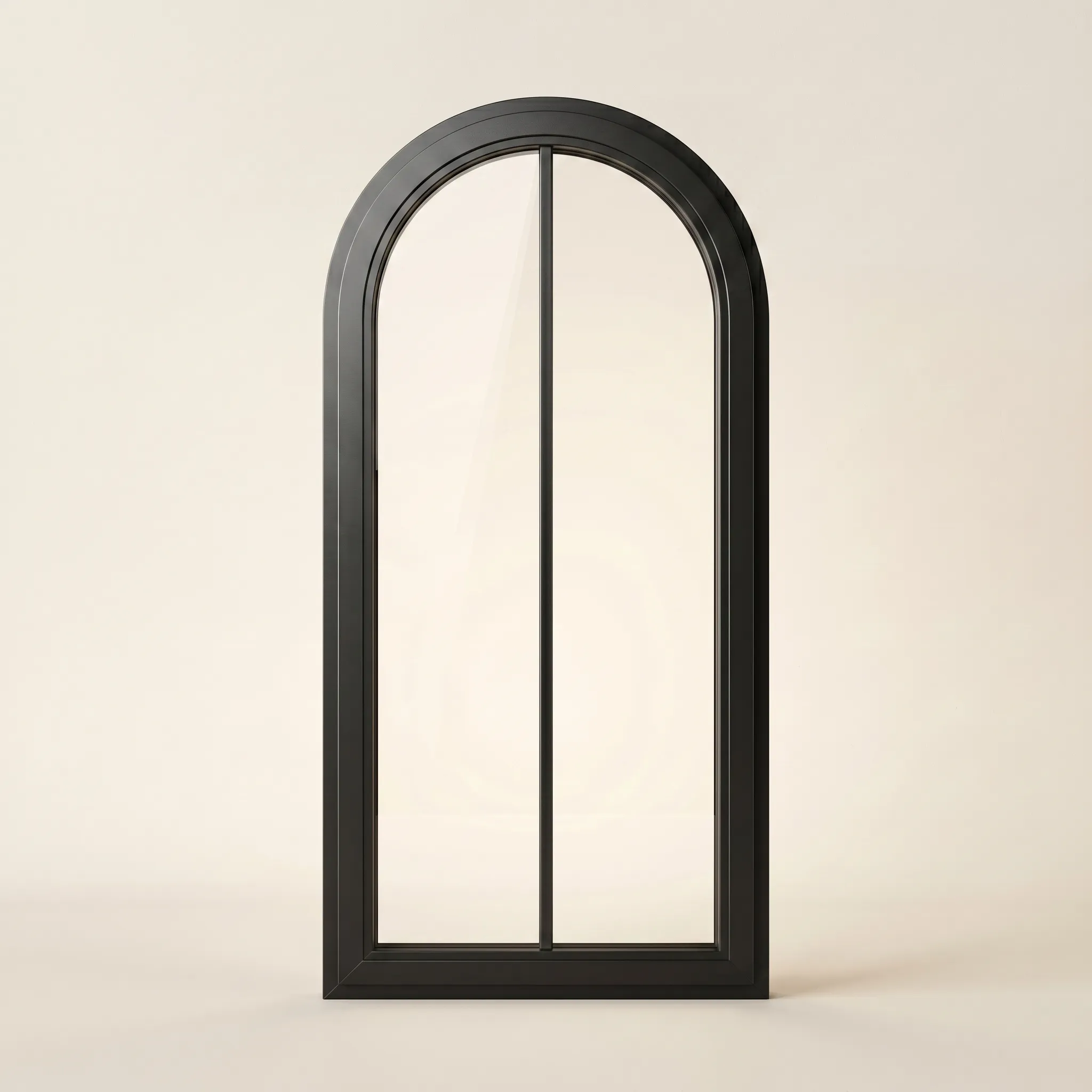
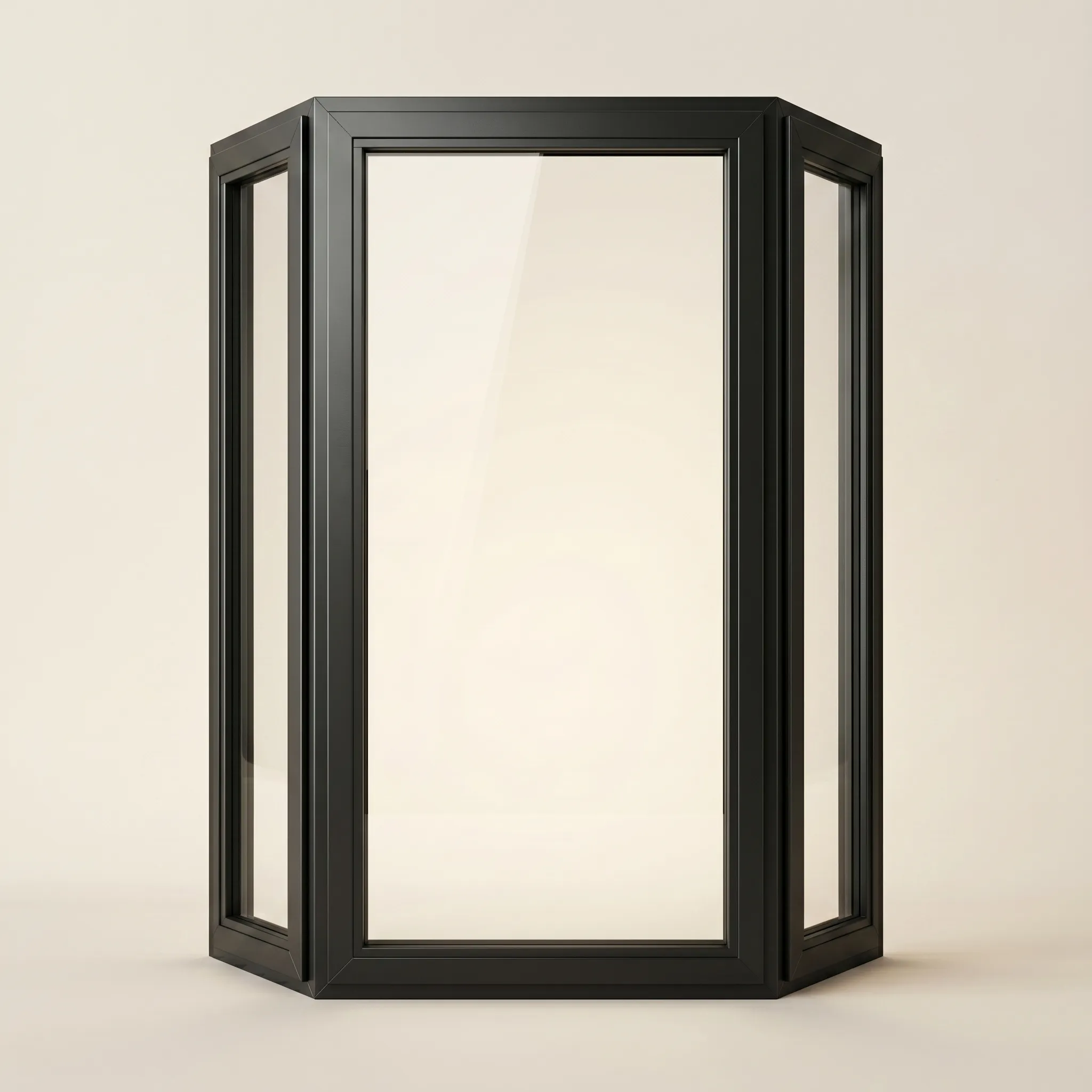
- Shape and complexity. Rectangles are efficient. Specialty shapes, arches, and bay or bow assemblies require more engineering and material.
All-in pricing vs base-plus-upgrades
Here’s the part that trips up most comparisons. Two suppliers can quote the identical window at very different-looking prices because they structure the quote differently.
- Base-plus-upgrades: a low-looking base price for a standard configuration, with each customization — your actual size, your finish, your hardware, your shape — added as a separate line. The starting number is attractive; the final number, after the options you need, is higher.
- All-in: one price for the window fully configured the way you want it, with customization included as standard.
Neither is dishonest, but they make direct comparison hard. A base price and an all-in price are not the same kind of number.
How to compare quotes fairly
Three rules make any two quotes comparable:
- Configure both identically. Same size, material, glazing, hardware, and finish. If one quote is a base price and the other is fully configured, you’re not comparing the same thing.
- Compare the final, configured number, not the starting price.
- Check what’s excluded. Delivery, hardware upgrades, specialty finishes, and lead-time surcharges can live outside the base. Ask what’s not in the number.
Getting an accurate number
The fastest way to a real number is to share what you’re actually building: the openings, rough sizes, the material and look you have in mind, and any customizations. You don’t need finished plans — a sketch or a description is enough to start.
At Bellevue, every quote is itemized and configured, so the number you see is the number you pay, with customization and delivery included. Request a quote and we’ll come back within one business day.
Does this apply to replacement windows too?
Yes — the same five cost drivers (size, material, glazing, hardware, shape) apply whether you’re specifying windows for new construction or replacing existing ones. The one added variable on a replacement project is the removal and disposal of the old units, plus any opening repair the old installation left behind; ask any replacement-window quote to itemize that separately from the window cost itself, for the same reason you’d want an itemized custom-window quote.
Common questions
What’s the average cost of replacement windows? There isn’t a meaningful single average — a small fixed picture window and a large operable tilt-and-turn unit can differ by several multiples in cost. Get a configured quote for your actual openings rather than anchoring on a generic per-window number.
Is a custom window more expensive than a “standard size” window? Not necessarily. Standard-size windows from suppliers who price customization as an upgrade often end up costing the same as or more than an all-in custom quote, once you add the finish, hardware, or size changes most real projects need anyway.
Andersen, Pella, Marvin, and Bellevue, line by line.
Every brand here builds a quality window. What differs is what's included in the base price versus billed as an upgrade.
Swipe to compare
Comparison reflects standard residential configurations; legacy-brand customization pricing and availability vary by product line and dealer.
How much do custom windows cost?
There is no useful catalogue answer, because the number is driven by size, quantity, material, glazing, and hardware. What is worth insisting on is a fully configured, itemised quote rather than a starting price, since the gap between the two is where most budget surprises live.
Why do custom window quotes vary so much?
Mostly because of what each quote includes. One manufacturer's base price may cover a standard size in a standard finish with standard hardware, while another includes customisation as standard. Two windows that look identical on paper can carry very different configured prices for that reason.
What drives the price of a custom window most?
Material first, then size, then glazing, then hardware. Material is the largest single lever on both performance and cost, which is why matching material is the first step in any honest comparison between suppliers.