

Why We Don't Build Windows in uPVC
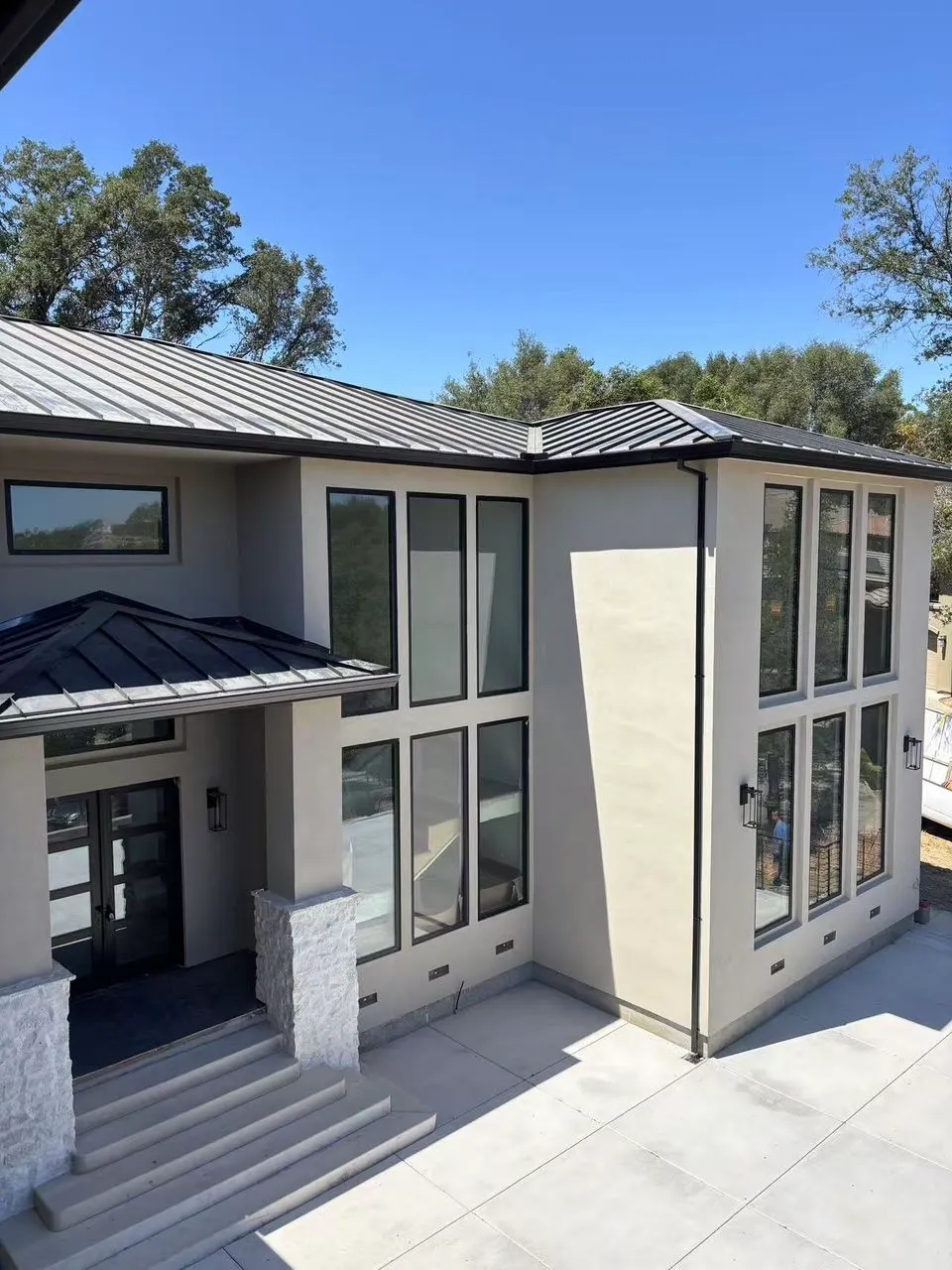
uPVC (unplasticized polyvinyl chloride) is the most common window frame material in much of the world, and for a straightforward reason: it’s inexpensive to produce, naturally insulating, and needs essentially no maintenance. It’s a legitimate, sensible choice for a lot of buildings. It’s just not what we build.
Where uPVC falls short for a premium build
uPVC frames are thicker than aluminum or clad-wood for the same structural strength, because the material itself isn’t as strong — which means smaller glass area and heavier-looking sightlines for the same opening. Color options are limited (most uPVC is white, tan, or a foil-laminated woodgrain rather than a true painted finish), it can’t be refinished later, and it degrades under prolonged UV exposure over decades in a way that quality aluminum and timber don’t.
What we build instead
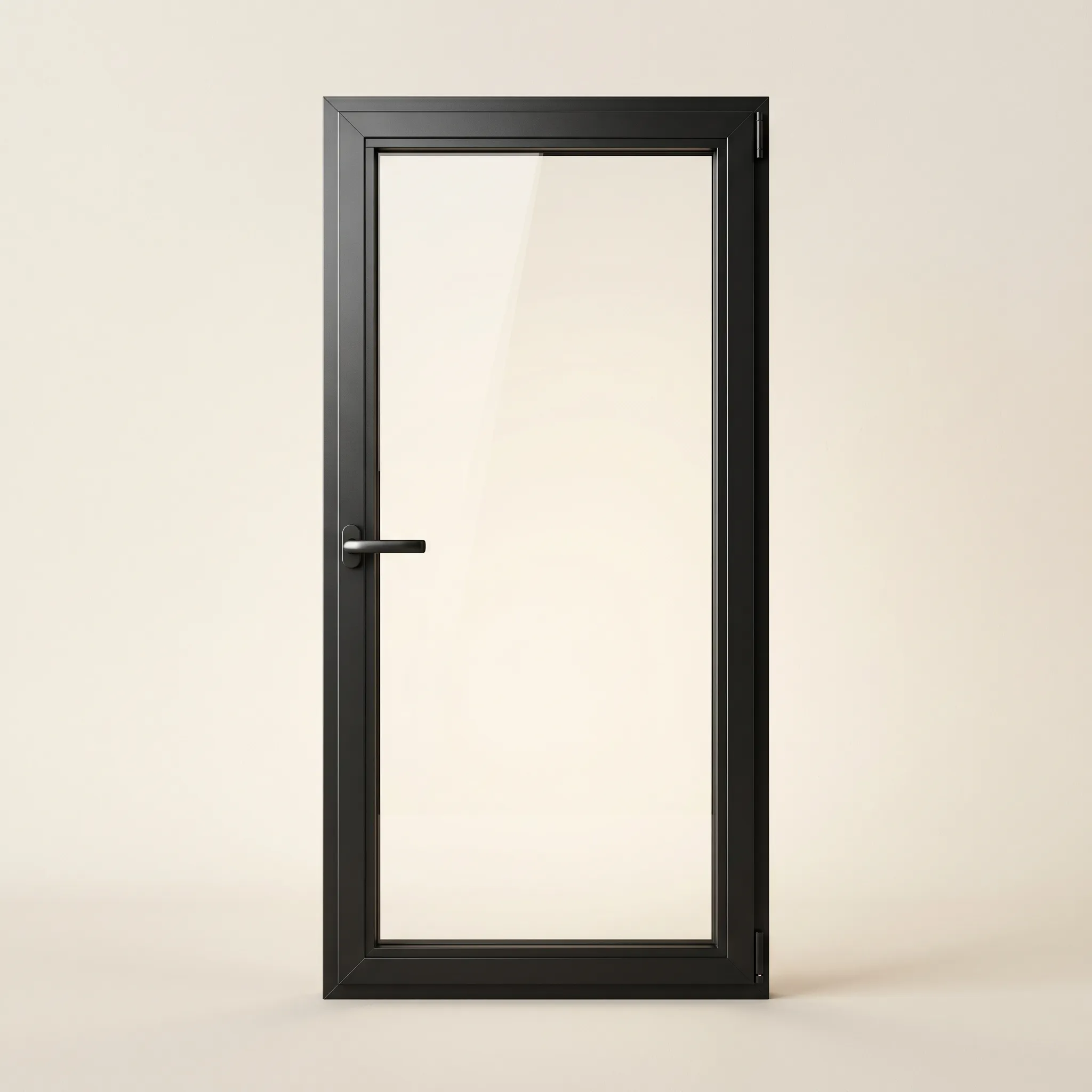
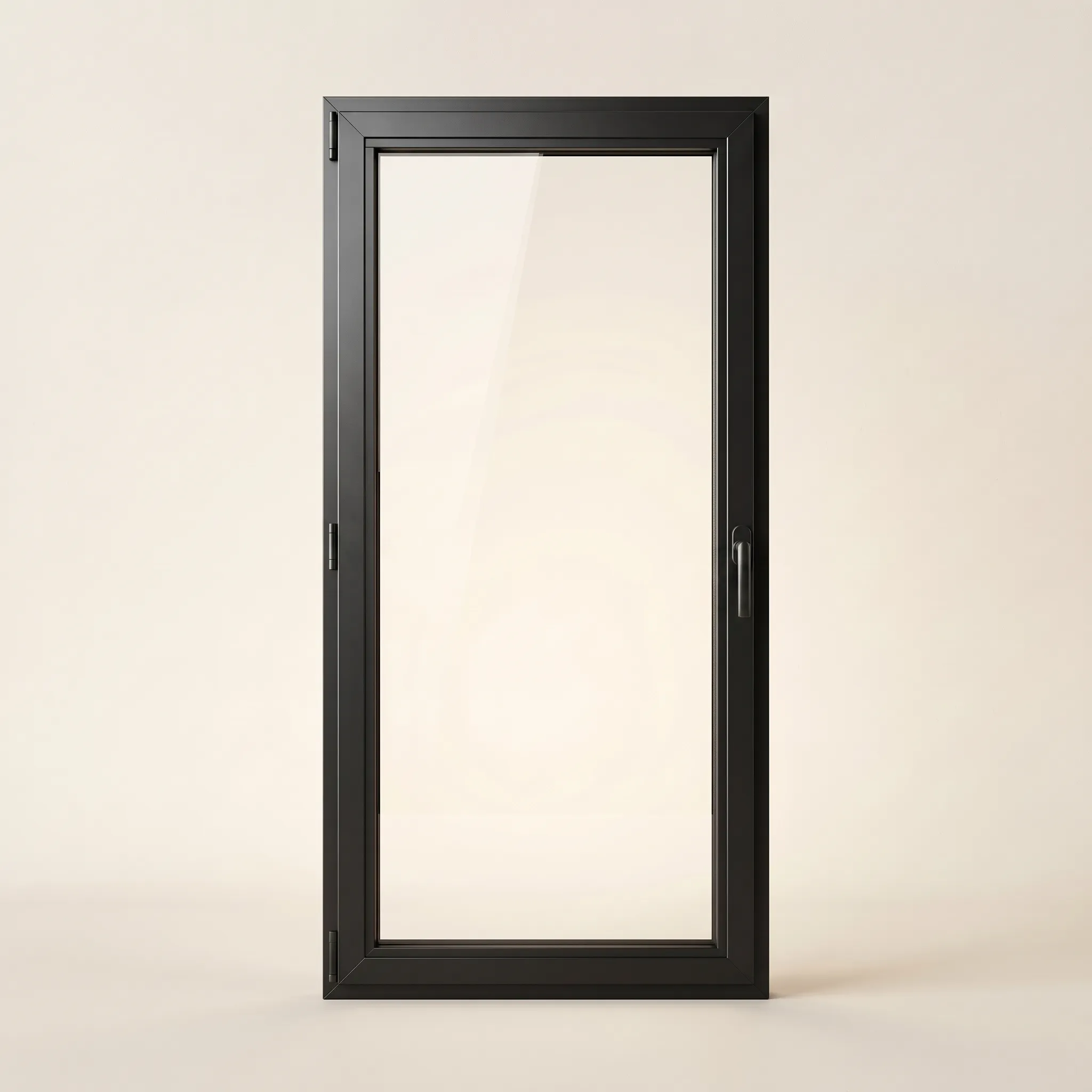
- Aluminum — slim sightlines, real strength, virtually no maintenance, with a thermal break for performance that matches or beats uPVC.
- Aluminum-clad wood — a warm timber interior with a weatherproof aluminum exterior.
- Solid timber — natural material and character for period and heritage projects.
Our full materials comparison covers the tradeoffs between the three in detail.
The honest tradeoff
uPVC is genuinely the more budget-efficient choice for many projects, and we’re not going to pretend otherwise. What you give up is sightline slimness, color and finish range, and long-term refinishing options. For a custom home or a build where the window frame is a visible architectural detail rather than a hidden utility, that tradeoff usually isn’t worth it — which is why every Bellevue window ships in aluminum, aluminum-clad wood, or timber, with European multi-point hardware and high-performance glazing included as standard.
Weighing frame material for your project? Request a quote and we’ll talk through what fits.
Andersen, Pella, Marvin, and Bellevue, line by line.
Every brand here builds a quality window. What differs is what's included in the base price versus billed as an upgrade.
Swipe to compare
Comparison reflects standard residential configurations; legacy-brand customization pricing and availability vary by product line and dealer.
What is the difference between uPVC and aluminium windows?
uPVC is a rigid plastic extrusion, inexpensive and thermally decent but comparatively soft, which limits how slim a frame can be while still carrying glass. Aluminium is stronger, allowing much slimmer sightlines and more glass area, and holds its geometry over decades of thermal cycling.
Is uPVC worse than aluminium?
It is a different trade-off rather than simply worse — uPVC performs respectably thermally and costs less. What it cannot do is hold a slim profile under load or resist long-term distortion the way aluminium does, and on large units that difference becomes visible.
Why doesn't Bellevue build in uPVC?
Because the frame proportions it forces are incompatible with what we build for — large, slim-sightline units where the glass does the work. That is a positioning choice rather than a claim that uPVC has no legitimate uses.