

Pella vs Andersen vs Marvin: An Honest Comparison
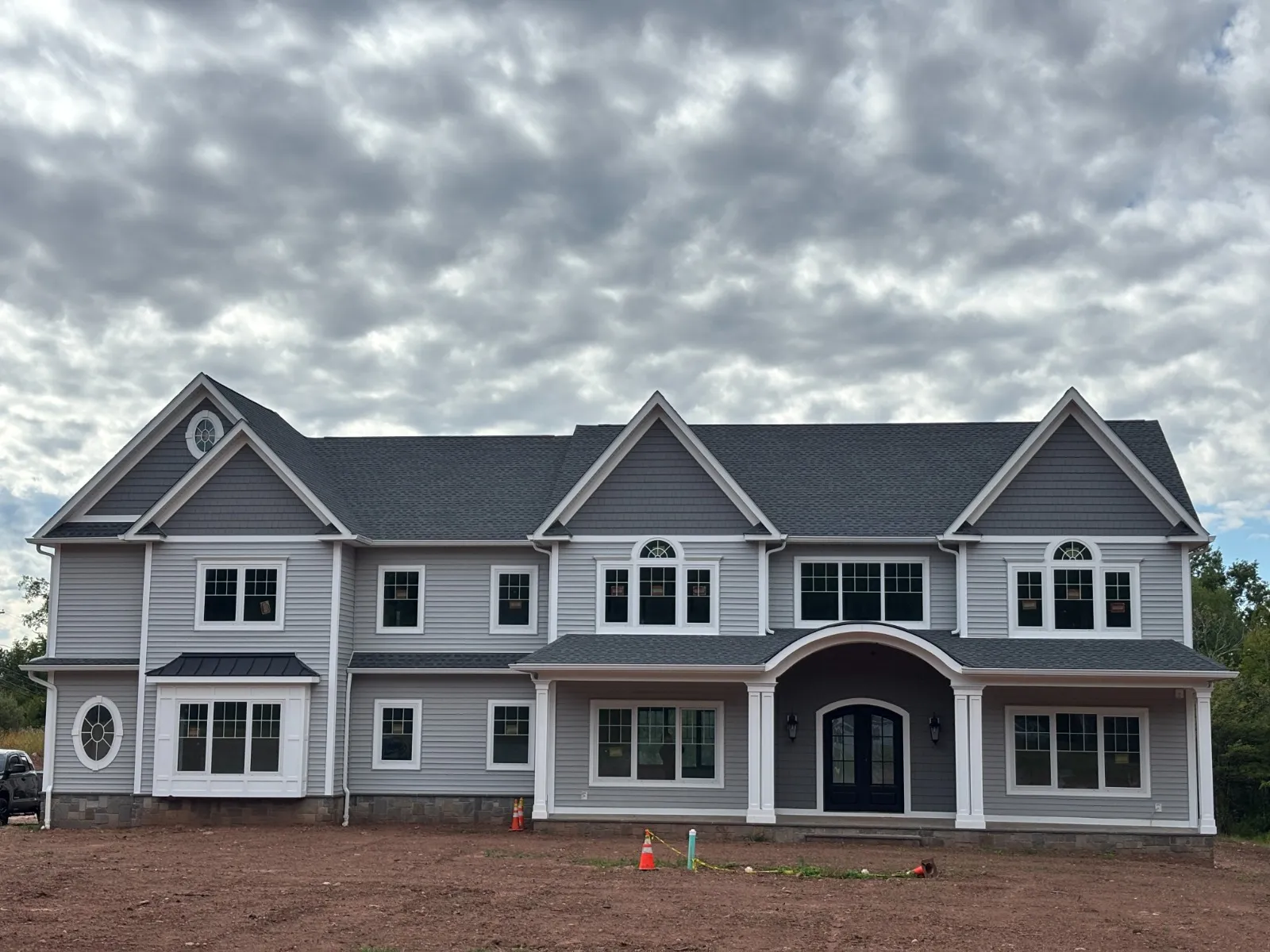
If you’re specifying windows for a custom home or a serious renovation, three names come up almost every time: Andersen, Pella, and Marvin. All three are established, capable manufacturers that build a quality window. The differences that actually matter to your project are narrower and more practical than the marketing suggests, and they tend to show up in the same few places: materials, how much customization is included versus billed as an upgrade, lead times, and the structure of the final quote.
This guide is a neutral framework for comparing them. It won’t tell you one brand is “the best,” because the right answer depends on your build. It will tell you what to look at, so the comparison is apples to apples.
The three brands at a glance
Each brand offers several product lines at different price points, so “an Andersen window” or “a Marvin window” isn’t a single thing. Before comparing, make sure you’re comparing equivalent lines, not an entry-level series from one against a flagship series from another.
When you line up equivalent lines, the meaningful comparison points are consistent across all three:
- Frame material and how it performs over decades
- Customization — sizes, finishes, hardware, glazing — and whether it’s included or priced as an add-on
- Lead time and how it’s affected by customization
- The quote structure — what the base number includes and what gets added later
Materials and construction
All three brands offer more than one frame material, typically some combination of wood, clad wood, and a composite or fiberglass option. Material is the single biggest driver of both performance and price, so it’s worth understanding in its own right — our guide on aluminum vs aluminum-clad wood vs timber breaks down the tradeoffs.
The practical takeaway when comparing brands: match the material first. A clad-wood window from one brand should be compared against a clad-wood window from another, not against a composite. Once the material matches, the remaining differences — hardware feel, seal design, glazing options — are real but smaller than the material choice itself.
Where customization gets priced
This is where quotes diverge the most, and where two windows that look identical on paper can carry very different prices.
With the legacy brands, the base price typically covers a standard size in a standard finish with standard hardware. The moment you change any of that — a non-standard size, a specific exterior color, an upgraded handle, a specialty shape — it’s often priced as an add-on. Because most custom homes need several of those changes, the final quote can land well above the base figure.
This isn’t a criticism of the brands — it’s a pricing model. But it means the base price you see first is rarely the price you pay. When you compare quotes, compare the configured price with every option you actually want, not the starting number.
What actually drives your final quote
For most projects, four things move the number more than the brand badge:
- Size and quantity — larger units and more openings cost more, everywhere.
- Material — the biggest single lever, as above.
- Glazing — double vs triple pane, Low-E coatings, and specialty glass. See understanding window glazing.
- Customization — and, critically, whether it’s included or billed separately.
Two brands can quote the same window at similar configured prices even if their base prices look different, because one front-loads more into the base and the other adds it later. The only way to know is to configure both quotes identically.
Where a direct-to-builder supplier fits
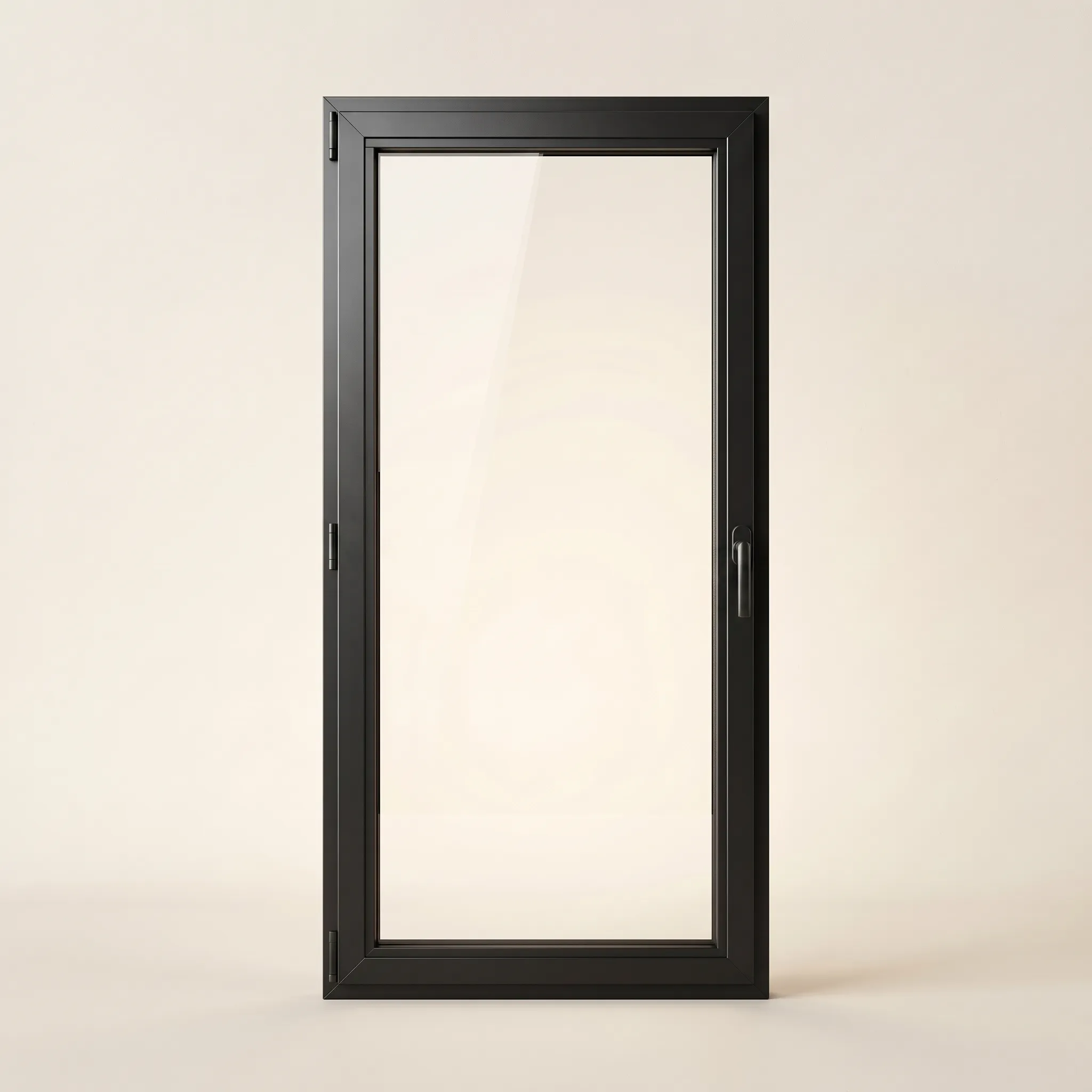
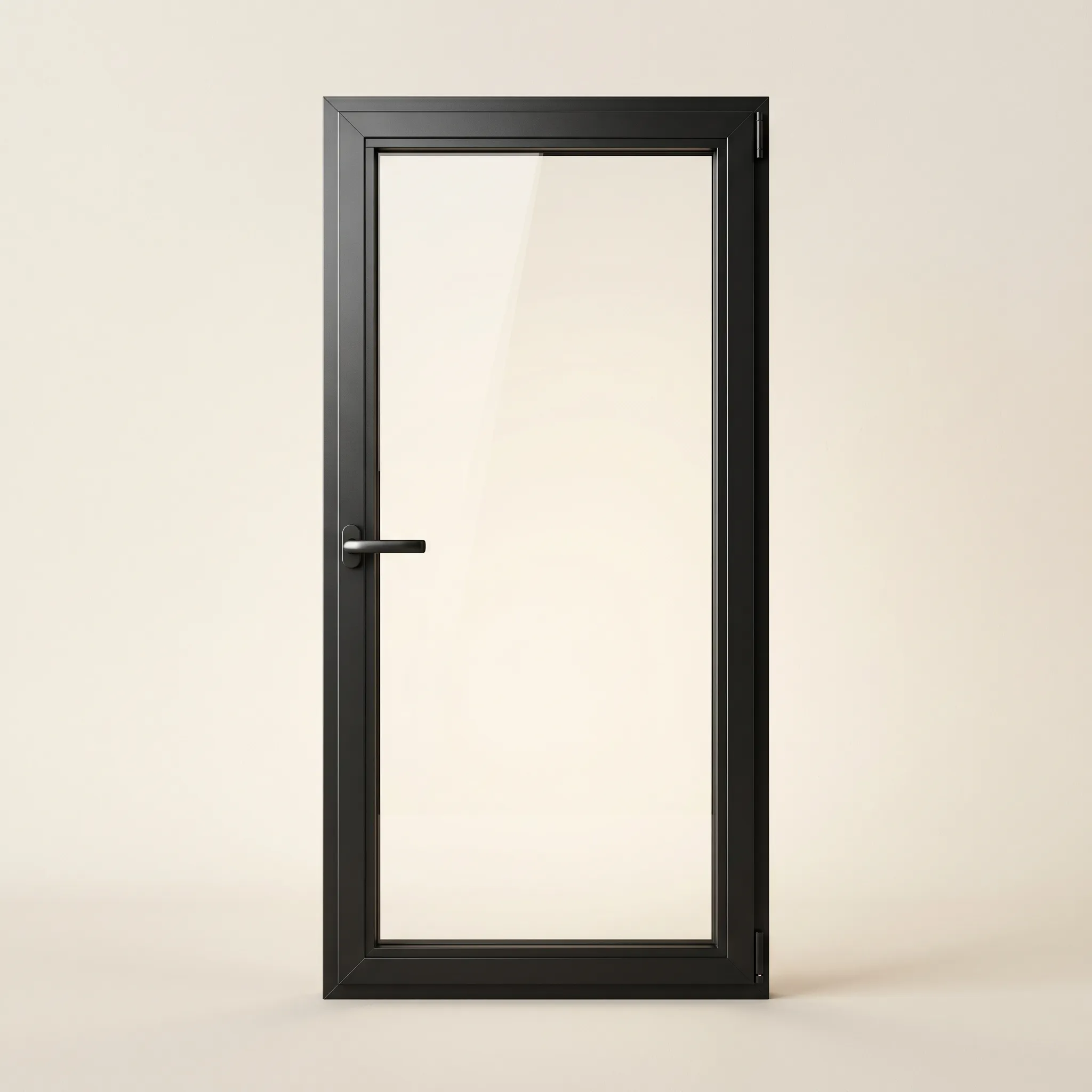
Bellevue is a fourth option that changes one variable in this comparison: the pricing model. We build to the same standards — the same European-engineered hardware, the same high-performance glazing, precision-manufactured frames — and include customization as standard rather than billing it as add-ons. Custom sizes, finishes, hardware, and specialty shapes are part of one all-in quote, backed by a 10-year product warranty and 20-year glass protection.
We also deliver direct to your project rather than through a showroom-and-dealer chain. For a builder or architect, that means the number we quote is the configured number, and there’s no separate upgrade line for the options that make the window actually fit the home.
The bottom line
Andersen, Pella, and Marvin all build good windows, and any of them can be the right choice for a given project. When you compare them, do it on equivalent product lines, match the material first, and always compare the fully configured price rather than the base. Do that and the comparison gets a lot clearer — and a lot less dependent on which name you’ve heard the most.
Ready to see how an all-in quote compares? Request a quote and we’ll come back within one business day.
Andersen, Pella, Marvin, and Bellevue, line by line.
Every brand here builds a quality window. What differs is what's included in the base price versus billed as an upgrade.
Swipe to compare
Comparison reflects standard residential configurations; legacy-brand customization pricing and availability vary by product line and dealer.
Is Pella better than Andersen?
Both are well-established premium brands and either can be the right choice depending on the product line. The more useful question is usually materials and pricing structure: match the frame material first, then compare configured — not base — prices, since both brands typically bill customization as an add-on.
Are Marvin windows more expensive than Andersen?
It depends heavily on the product line and how much customization you need, since both brands price non-standard sizes, finishes, and hardware as upgrades on top of a base price. Two units that look identical on paper can land at very different configured prices for that reason — always compare fully configured quotes, not base numbers.
Are Pella windows more expensive than Andersen?
Base prices are often close between the two, but the gap usually shows up once customization is added, since both brands charge separately for non-standard sizes, finishes, and specialty shapes. Compare the fully configured price on an equivalent product line rather than the advertised starting price.
Which is better, Pella or Andersen windows?
Neither is categorically better — both build a quality window across several product lines at different price points. Make sure you're comparing equivalent lines (not an entry-level series against a flagship), match the frame material, and compare configured prices before deciding.
How does Bellevue compare to Andersen, Pella, and Marvin?
Same standards — European-engineered hardware, high-performance glazing, precision-manufactured frames — but customization is included in one all-in quote instead of billed as separate upgrades, and product ships direct to your project rather than through a dealer network.